

VETERINARY SERVICES
Pet Skin Problems
Pet Skin Conditions
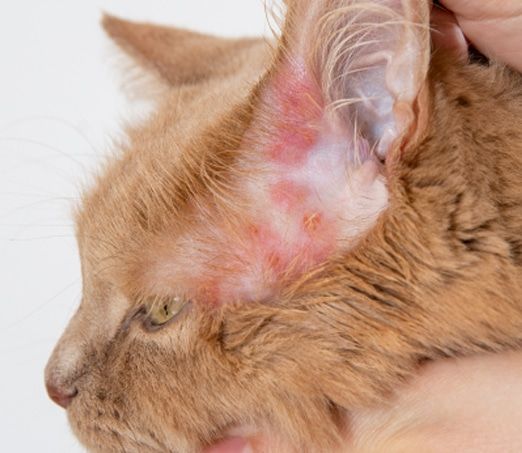
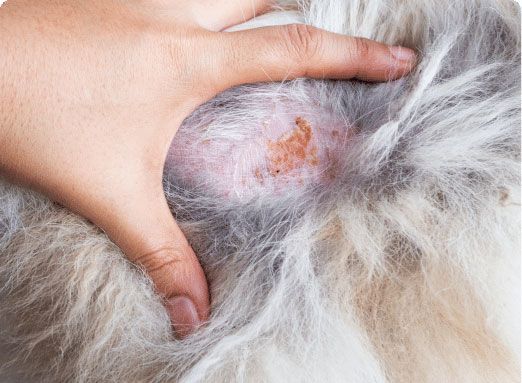
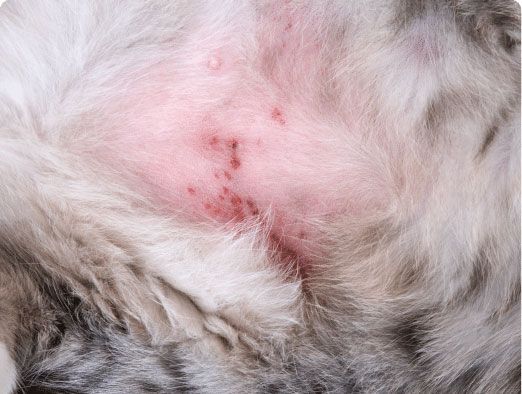
At Sydney Animal Hospitals, we understand how important it is that our pets have healthy skin and fur. The condition of your pets skin and fur can be a good indication of their overall health, and even help us to find underlying illnesses that are causing your pet ongoing discomfort. Pets can experience a wide range of skin issues, from common irritations to more serious conditions requiring veterinary attention. Whether it’s itching, redness, flakiness, or lumps and bumps, identifying and addressing skin problems promptly is crucial for your pet’s comfort and well-being.
What is Pet Skin Disease?
Skin disease is very common amongst pets and around 50% of all the pets that visit our clinic will have some form of skin condition. Part of the reason why skin conditions are so common is because there are so many different types, with so many different causes, however they can usually be divided into 6 specific categories.
Immune Mediated Skin Disorders
These particular pet skin conditions are caused by an immune response in your pet, whether its an over reaction causing hypersensitivity, or an under reaction causing repeated skin infections or mange.
Physical and Environmental Skin Disorders
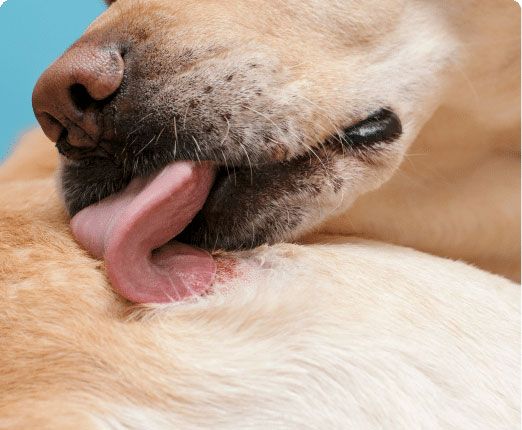
Some pet skin conditions are actually caused by our pets own grooming habits. These types of skin disorders are caused by your pet excessively licking or biting itself.
Infectious Skin Diseases
Infectious skin conditions are usually caused by a contagious infection or parasitic infestations. They can be parasitic (caused by a parasite), bacterial (caused by bacteria), fungal (caused by fungus) or viral (caused by a virus).
Flea Allergy Dermatitis
Flea allergies are caused by an allergic reaction to the saliva in flea bites. Severe cases of this pet skin disorder can result in hair loss and extreme discomfort.
Hereditary and Developmental Skin Diseases
These skin conditions are caused by underlying abnormalities or functional issues with your pets skin that were probably there since birth.
Manifestations of Internal Disease
Some skin conditions are caused by internal problems, but manifest as an irritation on your pets skin.
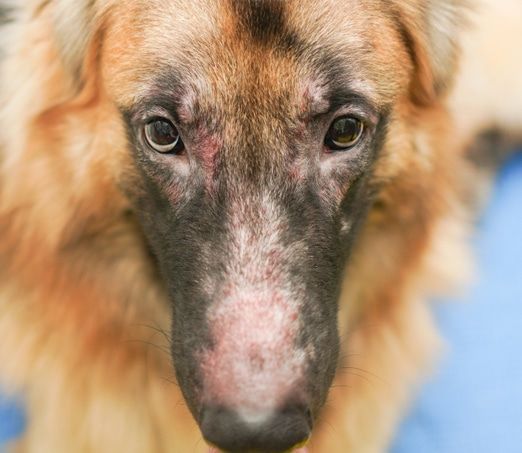
Dog Mange
Demodex canus is a contagious skin disease caused by mites. These mites burrow through the skin causing severe irritation to your dog. Mange is highly contagious to other animals and humans.
Atopic Dermatitis
Demodex canus is a contagious skin disease caused by mites. These mites burrow through the skin causing severe irritation to your dog. Mange is highly contagious to other animals and humans.
How are Skin Conditions Diagnosed?
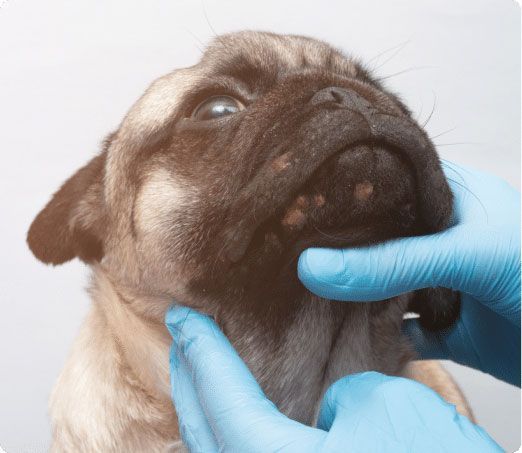
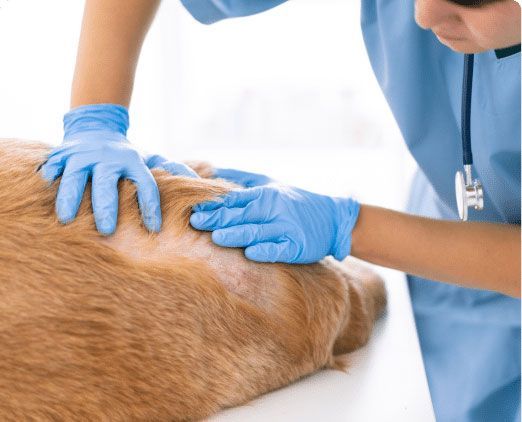
Our experienced vet staff can diagnose skin conditions in your pet through a number of different ways. The first step is a thorough skin inspection, as well as an evaluation of your pets history, as there are some skin disorders that are more common around a specific age or breed.
The next step can involve either:
01
Examination of your pets skin with a specially designed light to check for fungal infections such as ringworm
02
A skin biopsy where a small sample of skin cells is taken from a lump or bump for further analysis in a lab
03
If you have any further questions about cruciate ligament injuries, please speak with one of our friendly veterinary team at your local Sydney Animal Hospitals.
This will determine the cause and the best treatment to resolve your pets skin problem.
How Do I Know if My Pet Has a Skin Disorder?
There are a number of signs that your pet may be suffering from a skin condition.
Some of these include:
- Excessive licking, chewing or scratching of the tail and hindquarters, or the face, feet and ears
- Interruption of normal play activities to scratch or lick a particular area
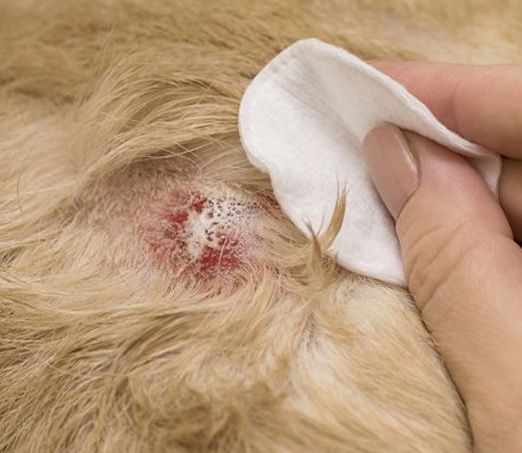
- Discolouration or redness of the skin
- Sensitivity to contact
- Dry oily or flaky skin
- Lumps underneath or on your pets skin
- Skin sores
- A bad smell or odour coming from your pets skin
- Patchy hair loss, or a dull and dry looking coat
Latest News
For further information on the different types of skin disease that can affect your pet, please read the below articles.
Our SAH Locations
Providing Animal Hospital Care with Flexible Payment Options

Like any member of your family, an unexpected illness or injury can happen to your pet at any time and with that comes unforeseen expenses.
To help with these unexpected costs Sydney Animal Hospitals offer a number of payment options such as Afterpay, Zip, VetPay, cash and credit card.
If you have pet insurance you may be able to claim on the spot and only pay the gap with GapOnly™
SYDNEY ANIMAL HOSPITALS ACCEPT

Frequently Asked Questions
Common questions pet owners ask regarding pet skin conditions
What are common signs of skin conditions in pets?
Common signs of skin conditions in pets include itching, redness, flakiness, hair loss, bumps or lumps, skin discoloration, and foul odor. Paying attention to changes in your pet’s skin and coat can help detect potential issues early.
What causes skin conditions in pets?
Skin conditions in pets can have various causes, including allergies (to food, fleas, or environmental factors), parasites (such as fleas, ticks, or mites), infections (bacterial, fungal, or yeast), hormonal imbalances, autoimmune disorders, and environmental factors (like humidity or exposure to toxins).
How can I help prevent skin conditions in my pet?
Preventive measures include regular grooming to remove dirt and debris, using parasite control products as recommended by your veterinarian, providing a balanced diet with essential nutrients, avoiding allergens when possible, and keeping your pet’s environment clean and dry.
When should I seek veterinary care for my pet's skin condition?
It’s advisable to seek veterinary care if your pet’s skin condition persists or worsens despite home care measures, if your pet shows signs of discomfort or pain, if there are open sores or signs of infection, or if there are systemic symptoms such as fever or lethargy.
How are pet skin conditions typically treated?
Treatment depends on the underlying cause of the skin condition and may include topical medications (such as shampoos, creams, or sprays), oral medications (such as antibiotics, antifungals, or steroids), dietary changes, allergy testing and immunotherapy, parasite control, and environmental management. Your veterinarian will tailor the treatment plan to address your pet’s specific needs and condition.