

VETERINARY SERVICES
Dog and Cat Teeth Cleaning
Good dental health means a happier, healthier pet. Protect your furry friend from painful dental disease with regular check-ups and expert dental care for pets at Sydney Animal Hospitals. Book an appointment today!
Strong teeth and fresh breath start here
The Importance of Pet Dental Care
Just like humans, pets require regular oral care to prevent diseases that can affect their quality of life. From bad breath to gum infections, dental issues in pets can lead to discomfort, pain, and even systemic health problems. About 80% of dogs and 70% of cats that are not on a proper dental care program will suffer from some form of dental disease by the age of two.
At Sydney Animal Hospitals, we provide professional dog and cat dental cleaning procedures as part of our comprehensive veterinary services to keep your furry friend’s teeth strong and their breath fresh.
On this page, you’ll also find valuable insights, practical tips, and expert advice to help you keep your pet’s teeth and gums healthy at home, ensuring they enjoy a happy and pain-free life by your side.
What Happens During Cat or Dog Teeth Cleaning?
1. Pre-Anaesthetic Assessment
Your veterinarian is also a pet dentist. Before any dental procedure, they will perform a thorough health check to ensure your pet is fit for anaesthesia. This includes examining your dog or cat’s mouth, teeth, and gums, as well as assessing their overall health. In some cases, additional tests may be recommended to help minimise risk and ensure the safest possible experience.
2. Scale and Polish
A dental scale and polish involves your pet undergoing a short anaesthetic to reduce stress and discomfort. An ultrasonic scaler is used to carefully remove plaque and tartar from the teeth, including below the gumline where dental disease often develops. The teeth are then polished to smooth the surface and help slow future plaque build-up. During this process, any infected or loose teeth can be identified and, if necessary, removed.
3. Dental X-Rays (If Required)
Dental radiographs may be used to assess areas that can’t be seen during a standard visual examination, including the tooth roots and surrounding jaw bone. This allows us to detect hidden issues such as infections, fractures, or bone loss, ensuring a more complete and accurate diagnosis.
4. Tooth Extractions (If Needed)
If any teeth are severely damaged, infected, or causing discomfort, extraction may be recommended. Our vets prioritise your pet’s comfort by using appropriate pain relief and a local anaesthetic around the affected tooth. In some cases, gum surgery is required to close the incision site from where a tooth is extracted, and dissolvable stitches are used for this procedure.
5. Recovery and Aftercare
A dental clean is usually a day procedure, which means your pet will be ready to return home the same day for lots of hugs and pats! After the procedure, we’ll provide tailored aftercare advice, including feeding recommendations and tips for maintaining your pet’s dental health at home. Most pets recover quickly and return to their normal routine within a short period.
How Dental Disease in Pets Develops
Proper teeth cleaning for dogs and cats is important to prevent a build-up of bacteria, food particles and saliva. Otherwise, it can lead to the formation of plaque. Plaque, if not properly removed, will calcify into tartar or calculus and appear as a yellow-brown material on your pet’s teeth.
Dental disease has the potential to shorten your pet’s life span. Over time the bacterial infection in tartar causes irreversible damage to occur. This includes:
Destruction of supportive tissues and bone, resulting in red gums, bad breath and loosening of teeth.
Tooth loss, gum infection and pain.
A source of infection for the rest of the body (such as the kidneys, liver and heart) which can make your pet seriously ill.
How Do I Know If My Pet Has Dental Disease?
Some signs that your dog or cat may be suffering from dental disease include:
Bad breath
Inflamed gums
Plaque build up
Jaw pain
Difficulty chewing

At-Home Cat and Dog Dental Cleaning Tips
Daily brushing is the best form of dental hygiene for the long-term prevention of dental disease in dogs and cats.

Start when your pet is at a young age so they become used to the process – but it’s never too late to start!

Ask us about pet toothbrushes and pet toothpaste – do not use human toothpaste formulas as these can be toxic.

With caution, feed your pet raw and meaty bones. You’ll need to ensure bones are suitable for your pet. Please ask for advice before giving your pet a bone. Some bones may cause harm.

Use enzymatic chews or teeth cleaning biscuits to help keep your pet’s teeth clean.

Provide a constantly refreshed supply of water in a clean bowl. As with humans, when cats are dehydrated their breath will smell. Their sense of smell knows when the water is not fresh.
What Happens if Dental Issues Are Left Untreated?
While early signs of dental disease or tooth decay like bad breath or tartar build-up may seem minor, they can progress quickly.
Bacteria beneath the gumline can cause inflammation and infection (gingivitis), which may advance to more serious periodontal disease. Over time, this can lead to gum recession, tooth loss, and ongoing pain or discomfort for your pet.
Dental disease doesn’t just affect the mouth. Bacteria from infected gums can enter the bloodstream and potentially impact vital organs such as the heart, liver, and kidneys and eyes.
Some pets — particularly small breeds, flat-faced breeds, and older animals — may be more prone to developing dental issues due to tooth crowding or reduced immune function.
With early detection via our
annual pet health checks, many of these issues can be prevented, helping your pet stay comfortable and healthy long-term.
Prevention Strategies to Keep Your Pet’s Mouth Healthy
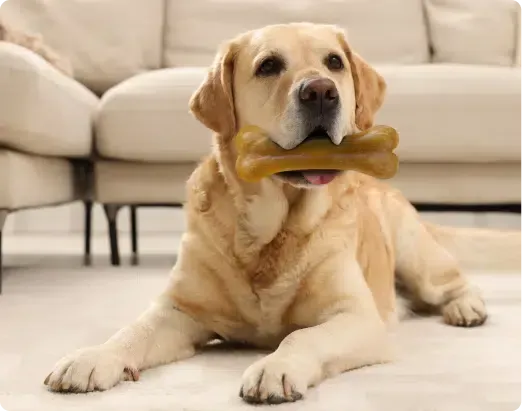
Dental Chews
We all know dogs in particular love to chew, and there are several brands of dental chews available which can help reduce tartar build-up. The way these dental chews work is that they become sticky when chewed by your dog, and this draws plaque and tartar off the teeth helping to keep the teeth clean.
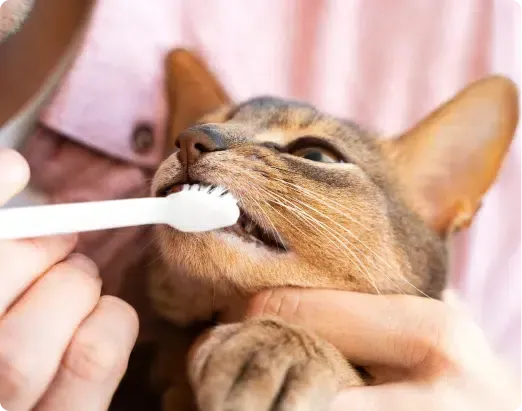
Brushing
Much like people brushing their teeth to keep them clean, you can also brush your pet’s teeth using a special toothbrush and toothpaste. This mechanical brushing action against the teeth surface will help slow the build-up of plaque and tartar. When you book in for your dental check, ask us to show you how to brush your pet’s teeth.

Feeding
An easy way to help prevent the development of dental disease is to consider feeding your pet a specially formulated dental biscuit diet, such as Hill’s™ Dental Care t/d Biscuits. When they crunch them up, they help to abrade the surface of the teeth and reduce the amount of plaque and tartar build-up – slowing the development of dental disease.
Trust Sydney Animal Hospitals for a Thorough Cat & Dog Dental Clean
Cat dental care and dog dental care is about more than just clean teeth — it’s about preventing pain, infection, and long-term health issues.
At Sydney Animal Hospitals, we provide professional teeth cleaning services using modern equipment and careful monitoring to ensure a safe and comfortable experience.
From early detection of dental disease to professional scale and polish procedures, we take a proactive approach to keeping your pet’s teeth and gums healthy.
Give your pet the dental care they deserve
Get FREE Dental Care for Dogs During July & August!
Sydney Animal Hospitals’ Dog Dental Month includes free dental checks and a range of discounted dental products and services.
7 Sydney Animal Hospital Locations Across Sydney
Sydney Animal Hospitals have 7 locations across Sydney for your convenience
Newtown
Open 7 days
Inner West
Open 7 days
1A Northumberland Ave,
Stanmore NSW 2048
(02) 9516 1466
Norwest
Open 7 days
8/1 Celebration Dr
Bella Vista NSW 2153
(02) 8883 0411
Kellyville
Open 7 days
106 Windsor Rd,
Kellyville NSW 2155
(02) 8883 0533
Baulkham Hills
Open 7 days
472 Windsor Rd,
Baulkham Hills NSW 2513
(02) 9157 5557
Newport
Open 7 days
Corner of 1 Palm Rd, Barrenjoey Rd
Newport NSW 2106
(02) 9997 4609
Avalon
Open 7 days
710 Barrenjoey Rd,
Avalon NSW 2107
(02) 9918 0833
Frequently Asked Questions
Common questions pet owners ask about pet dental health
How Often Should I Brush My Pet’s Teeth?
Ideally, you should brush your pet’s teeth daily using a pet-specific toothbrush and pet toothpaste. Consistent daily brushing helps prevent plaque and tartar buildup, reduces the risk of dental disease, and maintains oral hygiene.
How Often Does My Cat or Dog Need a Professional Dental Clean?
Even with regular at-home dental care, professional dental cleanings performed by a veterinarian are often needed for maintaining your pet’s oral health. Your vet can assess your pet’s dental health and recommend appropriate cleaning intervals based on their individual needs, which may range from every few years to more frequent cleanings yearly for pets with significant dental issues.
What Dental Treats or Chews Are Suitable for My Pet?
Look for dental treats or chews that indicate they meet specific standards for effectiveness in reducing plaque and tartar. Avoid treats that are too hard and could potentially damage your pet’s teeth. Visit the Veterinary Oral Health Council for more advice.
How Much Does Cat or Dog Teeth Cleaning Cost in Sydney?
Pet teeth cleaning in Sydney typically costs between $500–$1,000 for a standard scale and polish under general anaesthetic, but prices vary and will be influenced by your pet’s size, age, and dental disease severity.
Is It Safe to Put My Pet Under Anaesthetic for a Dental Clean?
Yes, modern veterinary anaesthesia for pet dental work is considered very safe, with risks being low compared to the dangers of untreated dental disease. It enables a thorough, painless, and stress-free cleaning, including essential under-gum scaling, probing, and X-rays, which are impossible to do while a pet is awake.
Does Pet Insurance Cover Dental Cleaning?
Standard pet insurance policies do not cover routine dental cleaning. However, some providers offer dental coverage as an optional extra (“routine” or "booster” care package), which can help cover costs for a clean, scale, and treatment for dental diseases.
Providing Animal Hospital Care with Flexible Payment Options
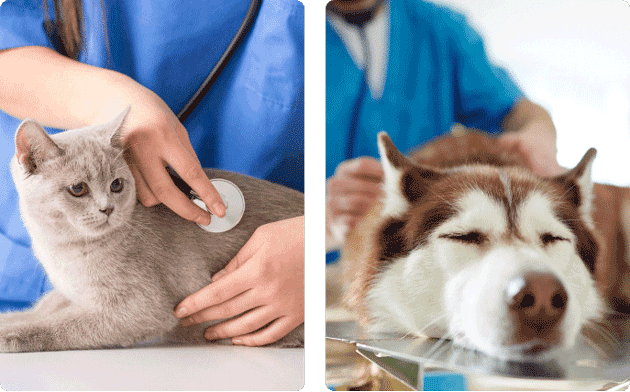
Like any member of your family, an unexpected illness or injury can happen to your pet at any time and with that comes unforeseen expenses.
To help with these unexpected costs Sydney Animal Hospitals offer a number of payment options such as Afterpay, Zip, VetPay, cash and credit card.
If you have pet insurance you may be able to claim on the spot and only pay the gap with GapOnly™
SYDNEY ANIMAL HOSPITALS ACCEPT



