

VETERINARY SERVICES
Cat & Dog Desexing
Desexing your pet is a fundamental part of responsible pet ownership. It prevents unwanted pregnancies, reduces unwanted behaviours, and lowers the risk of serious health problems, helping your cat or dog enjoy a longer, happier life.
Talk to our vets about routine desexing procedures today
What Is Pet Desexing?
Desexing is a common surgical procedure performed under a general anaesthetic by veterinarians. It involves the surgical removal of the reproductive organs to stop pets coming into season (when female dogs and cats may bleed from the vulva).
In females, the surgery is called spaying or ovariohysterectomy, and involves the removal of the uterus and ovaries. In male dogs and cats, the surgery is called a castration, and it involves the removal of both testes.
Here in NSW, the State Government has introduced regulations that require an annual permit fee for non-desexed cats over 4 months of age, and a one-off additional fee for non-desexed dogs over 6 months old.
Benefits of Desexing Cats & Dogs
- Prevent unwanted litters: Desexing is recommended to prevent unplanned pregnancies. This eases the burden on pounds and shelters, lowers euthanasia rates, and helps address concerns about feral, stray and roaming cats and their effect on wildlife.
- Reduce behavioural problems: Desexing can curb unwanted behaviours associated with mating, such as calling, yowling, aggression and wandering.
- Improved health: In females, desexing reduces the risk of mammary tumours and prevents medical conditions such as an infected uterus (pyometra) and cancers of the ovaries and uterus. In males, it helps prevent prostatic disease, perianal tumours and testicular cancer.
- Increased safety: Desexed pets are less likely to roam in search of a mate, which means fewer fights and accidents.
When to Desex Your Pet
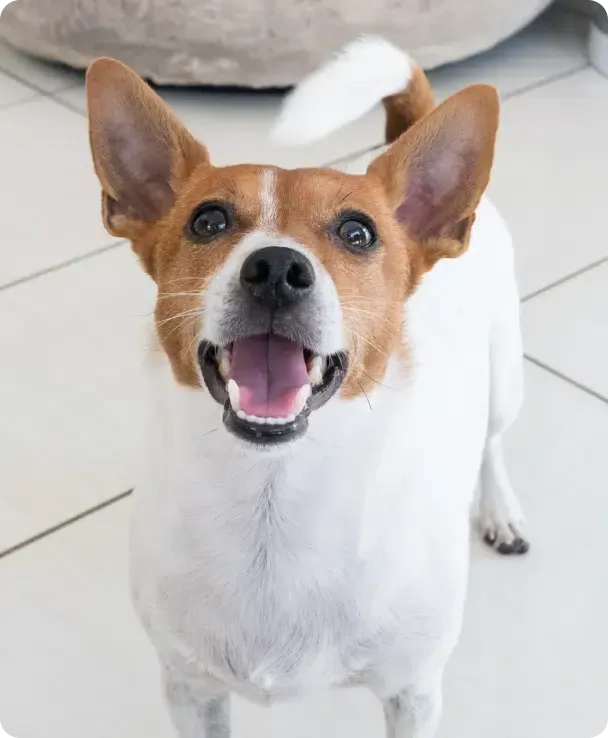
Small and medium dogs (an adult size of less than 15kg) should get desexed at approx 5-6 months of age. For brachycephalic breeds (small dogs with flat faces such as Pugs, French Bulldogs and Boston Terriers), desexing is often combined with obstructive airway surgery to help prevent life-threatening airway issues.
For large breeds of dogs (an adult size of over 15kg), desexing should be performed after 12 months of age to allow these dogs’ growth plates to close naturally. This has been shown to help reduce the risk of certain orthopaedic diseases.
Owners of giant breed dogs such as Great Danes, Bernese Mountain Dogs, Rottweilers, Dobermans, and Bull Mastiffs should also consider a surgery called prophylactic gastropexy at the time of desexing. It can significantly reduce the chance of developing life-threatening bloat and gastric torsion, aka GDV.
When Is Your Pet at Risk of Pregnancy?
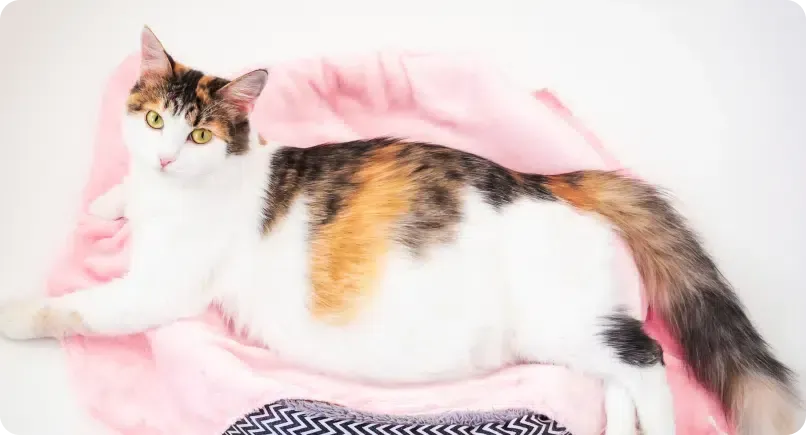
Female cats generally come into season for the first time from 6 months of age; however, it can be as early as 4 months. Cats are seasonally polyoestrous, which means that they have multiple oestrous cycles during a breeding season, with the breeding season varying according to environmental factors including temperature and day length. This means that female cats can be in season for several weeks.
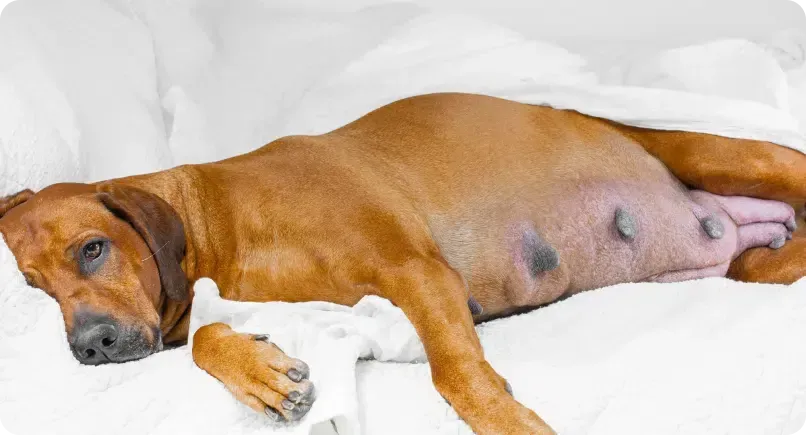
Female dogs generally come into heat for the first time at 6 months of age. Smaller breeds will sometimes come into season from as early as 4 months of age, and larger breeds may not have their first season until they’re more than 1 or 2 years old. When a female dog first comes into season, this can last for 2 to 3 weeks, and during this time, they can become pregnant. They come into season roughly every 6 months.
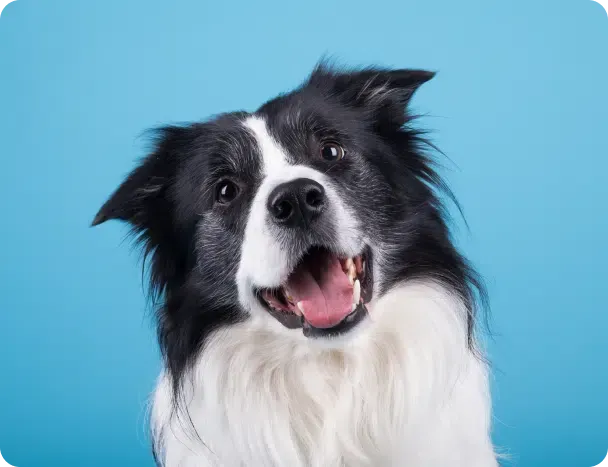
How to Prevent Unwanted Pregnancies in Dogs & Cats
To prevent unwanted pregnancies in female dogs, it is vital to isolate them from male dogs when she is in season. Keep her contained within a secure yard and controlled on a lead at all times when exercising.
Both females and males will attempt to escape from their home or backyard to find each other during this period. This can lead to pets being hit by cars, often suffering severe injuries or death. As a result, careful confinement and isolation of on-heat females and un-desexed males is essential. Once your pet is at the correct age for their breed, desexing is a far simpler solution.
Chat with our veterinary team for further information and advice about pregnancy prevention in dogs and cats.
Desexing Surgery Explained
When you book your pet in for desexing at Sydney Animal Hospitals, they’ll be scheduled for a day procedure. Our team will confirm admission details and guide you through the process. Pets must be fasted before surgery, so no breakfast on the day and no food after 9pm the night before, though water is allowed until admission.
Before Surgery
Once admitted, your pet will receive a premedicant drug to help them relax and settle. They are then placed under a general anaesthetic, and the surgery site is clipped and cleaned in preparation for the procedure.
During Surgery
Desexing female dogs: The incision is typically made along the midline of the belly.
Desexing female cats: The incision is usually along the belly midline, though sometimes it’s performed on the side (flank).
Desexing male dogs: The incision is made in front of the scrotum (inguinal area).
Desexing male cats: The incision is made on the scrotum.
After Surgery
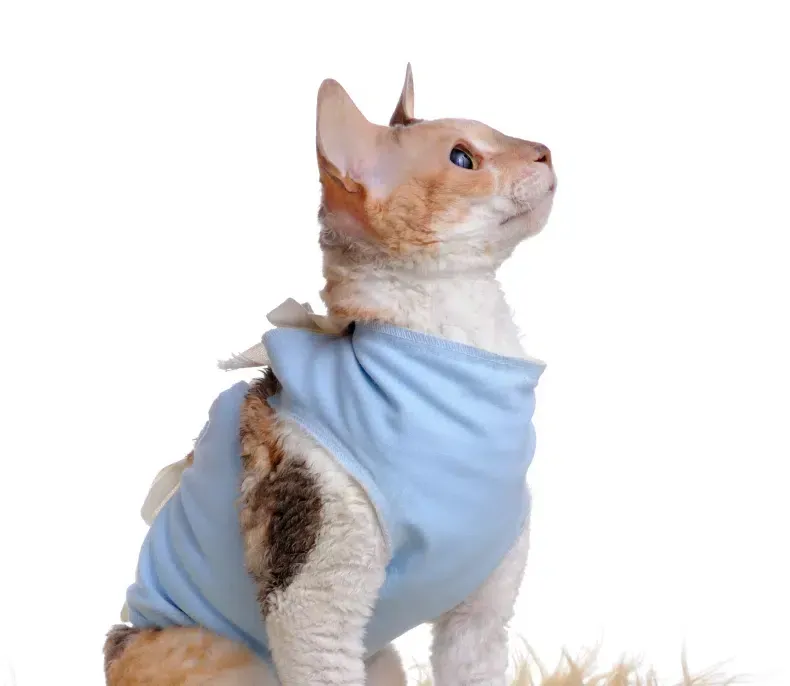
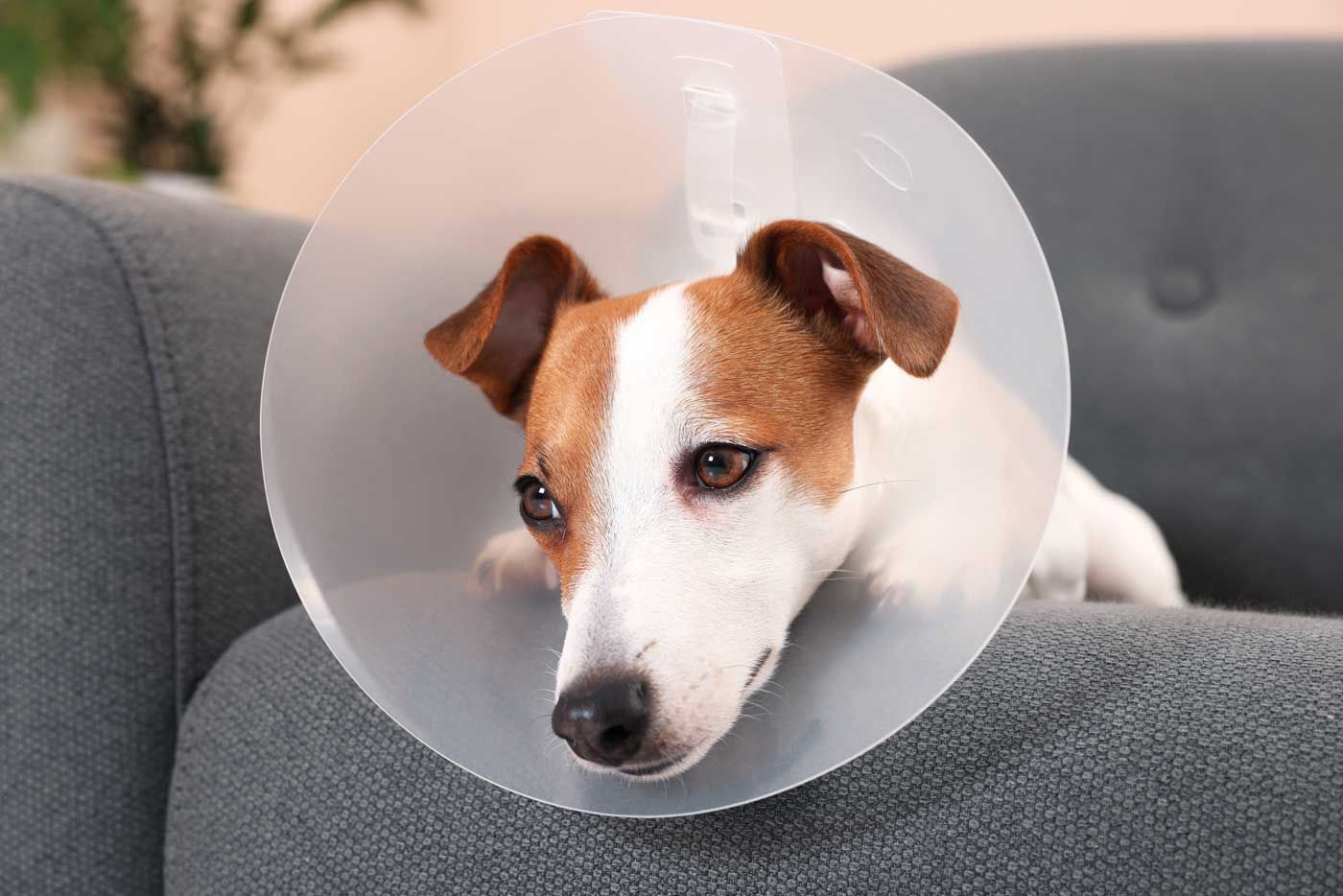
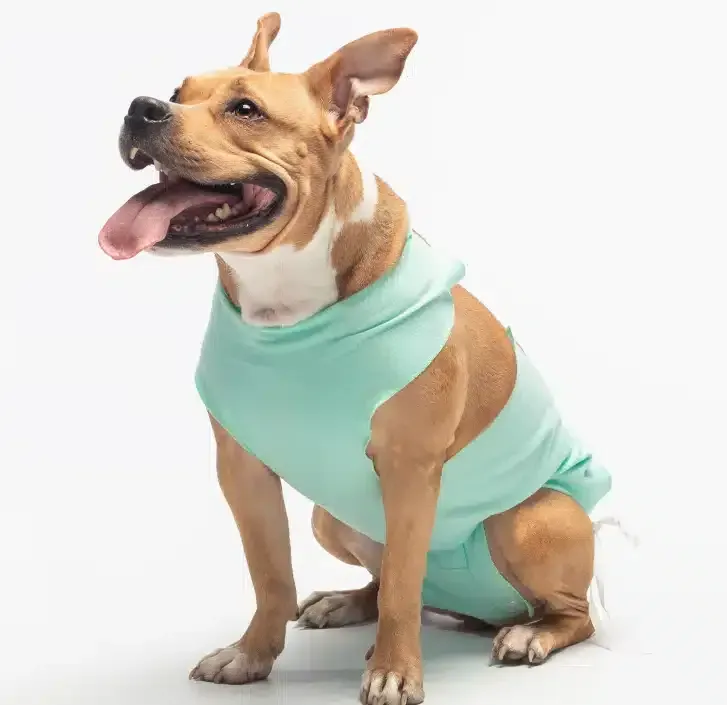
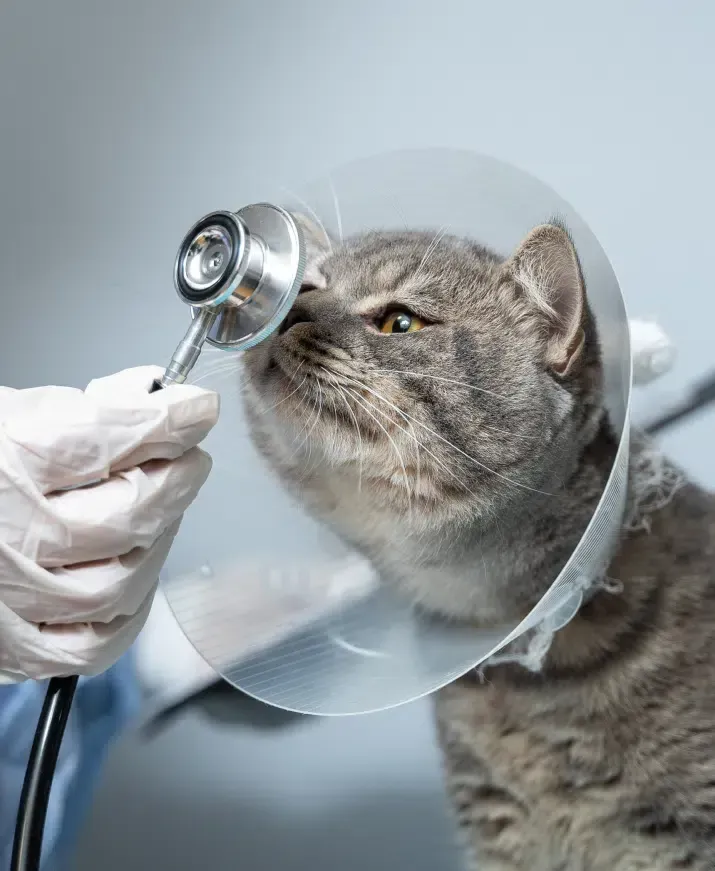
As part of your pet’s post-operative care, your vet may recommend an Elizabethan collar to stop them from licking the surgery site. Keep your pet rested and avoid vigorous activity until any sutures are removed 12–14 days post-surgery, as this can cause complications such as swelling or bleeding.
If you have any concerns about your pet after surgery, contact us for further advice.
While Under General Anaesthetic
When your pet is under a general anaesthetic for desexing, there are several other procedures which may be recommended by your veterinarian based on the individual circumstances of your pet.
Sometimes pets, especially dogs, may develop an umbilical hernia – which may look like a small lump at the site of their belly button or umbilicus. An umbilical hernia is when there is a protrusion of fat tissue, or sometimes part of an abdominal organ, through an open umbilical ring – which is when the abdominal muscles don’t completely meet, leaving a small opening through which the fat tissue or part of an abdominal organ may protrude.
The veterinarian will assess your pet for an umbilical hernia as part of their physical examination during a consultation. Umbilical hernias are common and many may not cause any problems at all, and depending on the size or the hernia, they can reduce and disappear as the puppy grows.
However in cases where the umbilical hernia is larger, or there is any indication of part of an abdominal organ protruding through the incomplete umbilical ring – then surgical repair of the umbilical hernia is recommended. This surgery can occur at the same time as desexing. In female dogs with an umbilical hernia the desexing incision is extended to resect and remove the umbilical hernia. In male dogs with an umbilical hernia, the defect is resected and repaired via a separate incision to the desexing surgery.
When your pet is under a general anaesthetic for desexing, the veterinarian will also check their mouth and teeth. Puppies usually lose their deciduous or baby teeth by four to six months of age, as these teeth are replaced by adult teeth. However if any deciduous teeth are still present at the time of desexing, the veterinarian will usually recommend that these retained baby teeth are removed.
Removal of retained deciduous teeth is a common procedure – especially in dogs, and by removing these baby teeth, this allows room for the adult teeth to erupt normally through the gums of the mouth.
Brachycephalic obstructive airway syndrome (BOAS) is a condition that affects brachycephalic dog breeds – those with short-muzzles and flat faces. Commonly affected breeds include the Pug, Shih tzu, Cavalier King Charles spaniel, Boxer, Bulldog, Staffordshire bull terrier, Pekingese and Boston terrier.
In these dog breeds, they have narrow nostrils and an elongated soft palate which can cause breathing problems that get progressively more severe as the dog gets older. Together, the narrow nostrils and an elongated soft palate, increase the negative pressure during breathing which results in chronic inflammation and swelling within the upper respiratory tract, leading to eversion of the laryngeal saccules (located adjacent to the vocal cords ) and collapse of the larynx – which obstructs airflow.
Brachycephalic obstructive airway syndrome is diagnosed through a combination of during a physical examination the veterinarian may identify that the dog has narrow nostrils, called stenotic nares. A general anaesthetic is required to diagnose an elongated soft palate and everted laryngeal saccules, and x-rays are often useful for assessment of the airway and chest.
In dogs predisposed to brachycephalic obstructive airway syndrome, surgery to improve the condition involves widening the nostril openings to increase airflow. Surgery can also shorten the long soft palate. This procedure should ideally be performed between six and 18 months of age before any secondary changes have occurred.
Our protocol at Sydney Animal Hospitals is to widen the nostrils and/or shorten the soft palate of these patients at the time of desexing or before two years of age. These procedures will often make a significant difference to these pets’ ability to breathe in the long term and prevent any secondary components from developing.
We often recommend nostril widening at the time of desexing as this single procedure has been shown to make a significant improvement in air flow, and is easily done at the same time as the desexing while your pet is already having a procedure performed under a general anaesthetic.
If the laryngeal saccules are everted as part of the brachycephalic airway syndrome, the saccules can sometimes be surgically removed at the same time as the elongated soft palate is resected, or the saccules may sometimes be left and allowed to return to a more normal position.
Gastric dilation and volvulus (GDV), more commonly known as bloat, is a life threatening condition that can affect dogs, especially larger breeds. Large dog breeds with deep, narrow chests, like Great Danes, German Shepherds, Weimeraners and Dobermans, are more likely to develop GDV. The GDV condition refers to when the stomach becomes distended with gas and then twists, which disrupts the blood supply to the gut and some adjacent organs.
For those breeds of dog predisposed to GDV or bloat, a gastropexy surgery can be done at the same time as desexing to reduce the risk of bloat. It has been found that this preventative surgery can reduce the risk of GDV by more than 90%.
A gastropexy surgery involves attaching the stomach to the right side of the abdominal wall, which holds the stomach in place to prevent it from twisting and causing a GDV. The veterinarian will explain more about what’s involved in a gastropexy surgery if it is indicated for your dog, read more.
Rapid Recovery Pack
The Rapid Recovery Pack is a surgical care package designed by Sydney Animal Hospitals to ensure that your pet remains as safe possible during any general anaesthetic and surgical procedure, and has a rapid and comfortable recovery.
As part of the Rapid Recovery Pack, if your pet is due to have a general anaesthetic – we recommend that they have a pre-anaesthetic blood test, intravenous fluid support during the procedure and post-operative medications to maintain their comfort.
A pre-anaesthetic blood test is an internal health check for your pet, which allows us to look for any underlying conditions or diseases that may affect the animal’s health or the surgical procedure. If we detect an underlying condition, we will change the way that we administer the anaesthetics and supporting medication during and after the procedure.
Intravenous fluid support helps to keep your pet hydrated during the surgical procedure, and also works to flush any toxins out through the liver and kidneys. Post-operative medication will include pain relief to ensure that your pet has a comfortable recovery.
If you have any further questions about having your pet desexed, please speak with one of our friendly team.
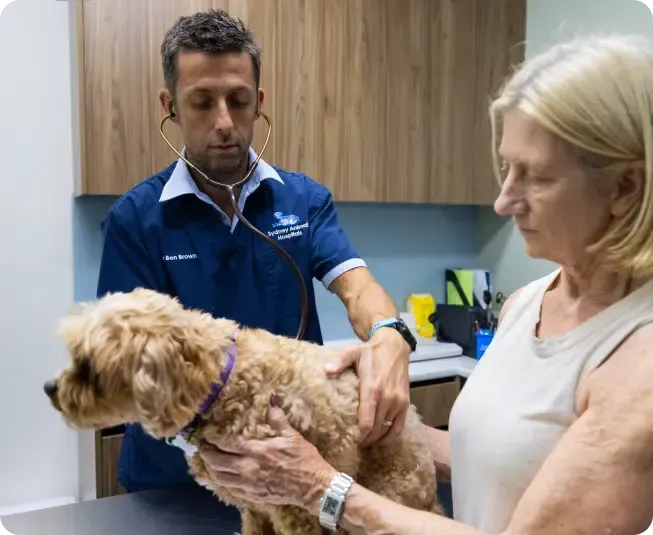
Get Stress-Free Dog & Cat Desexing at Sydney Animal Hospitals
At Sydney Animal Hospitals, you can expect gold standard vet care when you book your dog or cat in to be desexed.
Your pet’s wellness is our number one priority, whether you’re here for routine veterinary services or something more complex, so we always ensure to keep our vet clinic environment sterile and stress-free at all times.
Our compassionate and highly experienced Sydney vets perform every desexing procedure with precision and care, using modern techniques and advanced equipment to ensure your pet’s safety and comfort at all times.
Desex your pet to protect their health and wellbeing
7 Sydney Animal Hospital Locations Across Sydney
Sydney Animal Hospitals have 7 locations across Sydney for your convenience
Newtown
Open 7 days
Inner West
Open 7 days
1A Northumberland Ave,
Stanmore NSW 2048
(02) 9516 1466
Norwest
Open 7 days
8/1 Celebration Dr,
Bella Vista NSW 2153
(02) 8883 0411
Kellyville
Open 7 days
106 Windsor Rd,
Kellyville NSW 2155
(02) 8883 0533
Baulkham Hills
Open 7 days
472 Windsor Rd,
Baulkham Hills NSW 2513
(02) 9157 5557
Newport
Open 7 days
Corner of 1 Palm rd, Barrenjoey rd,
Newport NSW 2106
(02) 9997 4609
Avalon
Open 7 days
710 Barrenjoey Rd,
Avalon NSW 2107
(02) 9918 0833
Providing Animal Hospital Care with Flexible Payment Options
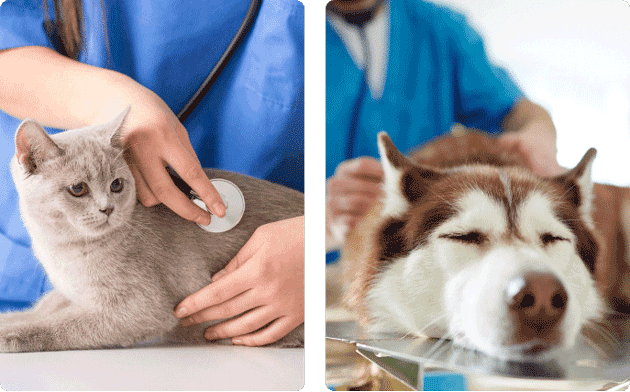
Like any member of your family, an unexpected illness or injury can happen to your pet at any time and with that comes unforeseen expenses.
To help with these unexpected costs Sydney Animal Hospitals offer a number of payment options such as Afterpay, Zip, VetPay, cash and credit card.
If you have pet insurance you may be able to claim on the spot and only pay the gap with GapOnly™
SYDNEY ANIMAL HOSPITALS ACCEPT

Frequently Asked Questions
Common questions pet owners ask about pet desexing in Sydney
At What Age Should I Desex My Pet?
The ideal age for desexing varies depending on your pet’s breed and health. In general, most veterinarians recommend desexing pets between 4 and 6 months of age. However, some may advise earlier or later based on individual circumstances or breed.
Is Desexing Dogs and Cats Safe?
While desexing is generally considered safe, as with any surgical procedure, there are potential risks such as infection, bleeding, or adverse reactions to anesthesia. Additionally, some pets may experience temporary changes in behaviour or metabolism, but these are usually mild and temporary.
Will Desexing Change My Pet’s Personality or Behaviour?
Desexing may reduce certain behavioural changes, such as aggression, roaming, and territorial marking in males, and decrease the likelihood of heat-related behaviours (e.g., yowling, urine spraying) in females. However, it’s essential to understand that personality and temperament are influenced by various factors, and desexing alone may not dramatically alter these traits.
How Much Does It Cost to Desex a Pet?
Desexing costs start from $500 for cats and dogs. Prices depend on your clinic's location, your pet's size, and any additional services included.
Does Pet Insurance Cover Desexing?
Standard pet insurance policies don’t cover desexing as it's considered an elective procedure. However, some insurers offer optional routine care or wellness add-ons that may provide partial cover, up to an annual limit. Check your policy or contact your provider to see if this applies to you.
How Long Is the Recovery Period After Desexing?
The typical recovery period for desexing is usually 10-14 days. Female pets generally have a longer recovery than males.
Get Social with


