

Veterinary Surgery
Our highly skilled team of veterinary surgeons perform a range of advanced surgical procedures to help pets recover from injury, illness, or trauma. Talk to our vets about safe and effective pet surgery options today!
Trusted surgical treatments tailored to your pet’s needs
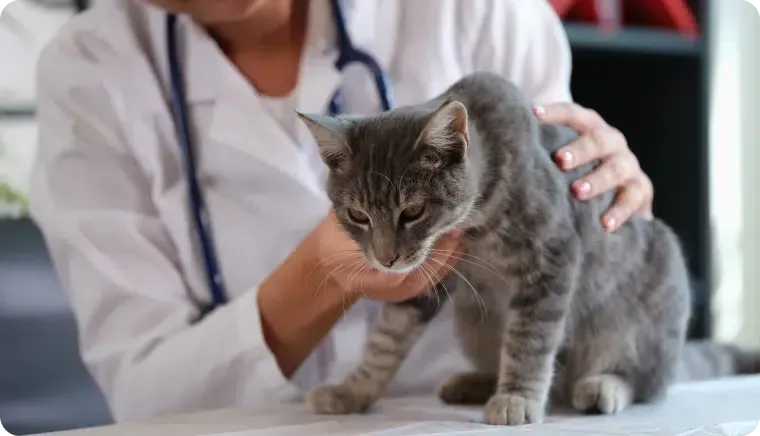
Advanced Animal Surgery Solutions in Sydney
At Sydney Animal Hospitals, we offer a full range of veterinary surgical procedures for your pet. We have modern, purpose-built facilities in Newtown, the Inner West, Norwest, Kellyville, Baulkham Hills, Newport, and Avalon, so no matter where you live in Sydney, there’s a veterinary surgery clinic near you.
Our state-of-the-art operating theatres, together with our experienced veterinary team, help to ensure a successful outcome for all cats and dogs that come through our doors. We also utilise the skills of visiting specialist veterinary surgeons to provide the highest level of care.
Your veterinarian will discuss all surgery options with you and can answer any questions you may have about any procedures recommended for your pet. Our team will provide you with a fully itemised costing prior to any procedure being undertaken. We also offer extended post-operative care, rehabilitation and pet boarding services if necessary.
Our Veterinary Surgical Services
Tibial Plateau Leveling Osteotomy (TPLO)
Cruciate ligament injuries are the most common cause of hind limb lameness in the dog. Surgery is necessary to stabilise the knee. The TPLO is the most common procedure required; other procedures can be performed in certain situations depending on the patient's anatomical conformation, age, and breed.
Medial Patellar Luxation (MPL)
For severe cases of patella luxation (kneecap dislocation), our surgery team can perform the necessary procedures to help restore normal alignment of the patella and full function of the knee.
Gastric Dilation Volvulus (GDV)
GDV is a life-threatening condition where a dog’s stomach becomes bloated and twists around on itself. Preventative ‘gastropexy’ is advised in at-risk breeds, as when this occurs, emergency surgery is required to release the buildup of gas and return the stomach to its normal position.
Brachycephalic Breathing Problems
Surgery to correct brachycephalic obstructive airway syndrome (BOAS) is beneficial in most brachycephalic dogs. The surgery is best performed while the dog is young, such as during desexing or during the first 18 months of life. The surgery involves opening up the nostrils, enlarged tonsil removal, laryngeal saccule removal, palate shortening and palate thinning.
Juvenile Pubic Symphysiodesis (JPS)
We specialise in JPS Surgery for puppies aged 16 to 20 weeks who have radiographic indications of hip dysplasia. This surgery is designed to reduce future hip dysplasia symptoms. Trust our expert care for your pet's lifelong health.
Tumour and Lump Removal
Our comprehensive lumps and bumps treatment services for pets ensure the safe removal of growths that may be benign or malignant, prioritising both health and comfort.
Gastrointestinal Foreign Body Removal
We are highly trained in foreign body removal, crucial for pets prone to ingesting objects. From curious dogs to ravenous cats, our expert care ensures safe extraction, whether that be surgically or endoscopically.
3 Key Stages of Pet Surgery

Before Surgery
On the day of the procedure, our team will carry out a pre-surgical consultation and admission check at your pet’s admission time. We will discuss the procedure with you, answer any last-minute questions, and ask you to sign a consent form. We strongly recommend pre-anaesthetic blood testing for all pets undergoing general anaesthesia. This quick, affordable test gives us important information about your pet’s liver, kidneys, and overall health, helping us tailor anaesthetic protocols and reduce the risk of complications.
During Surgery
Your pet’s well-being is our top priority throughout the entire procedure. All surgeries are performed in a sterile, fully equipped operating theatre by experienced vet surgeons and qualified surgical nurses. During the operation, your pet is closely monitored using specialised equipment to track heart rate and electrical activity, breathing, blood pressure, carbon dioxide and oxygen levels. We administer intravenous (IV) fluids to maintain hydration and support circulation, which can aid recovery after the procedure.


After Surgery
Once the procedure is complete, your pet is transferred to the recovery area of our veterinary clinic, where they are carefully monitored as they wake from anaesthesia. Our team keeps a close eye on vital signs and comfort levels, providing additional pain relief if needed. Before your pet goes home, we’ll talk you through everything you need to know — including post-op care, medication, activity restrictions, and signs to watch for. We’ll also schedule a follow-up appointment to check their progress and remove any sutures or dressings if required.
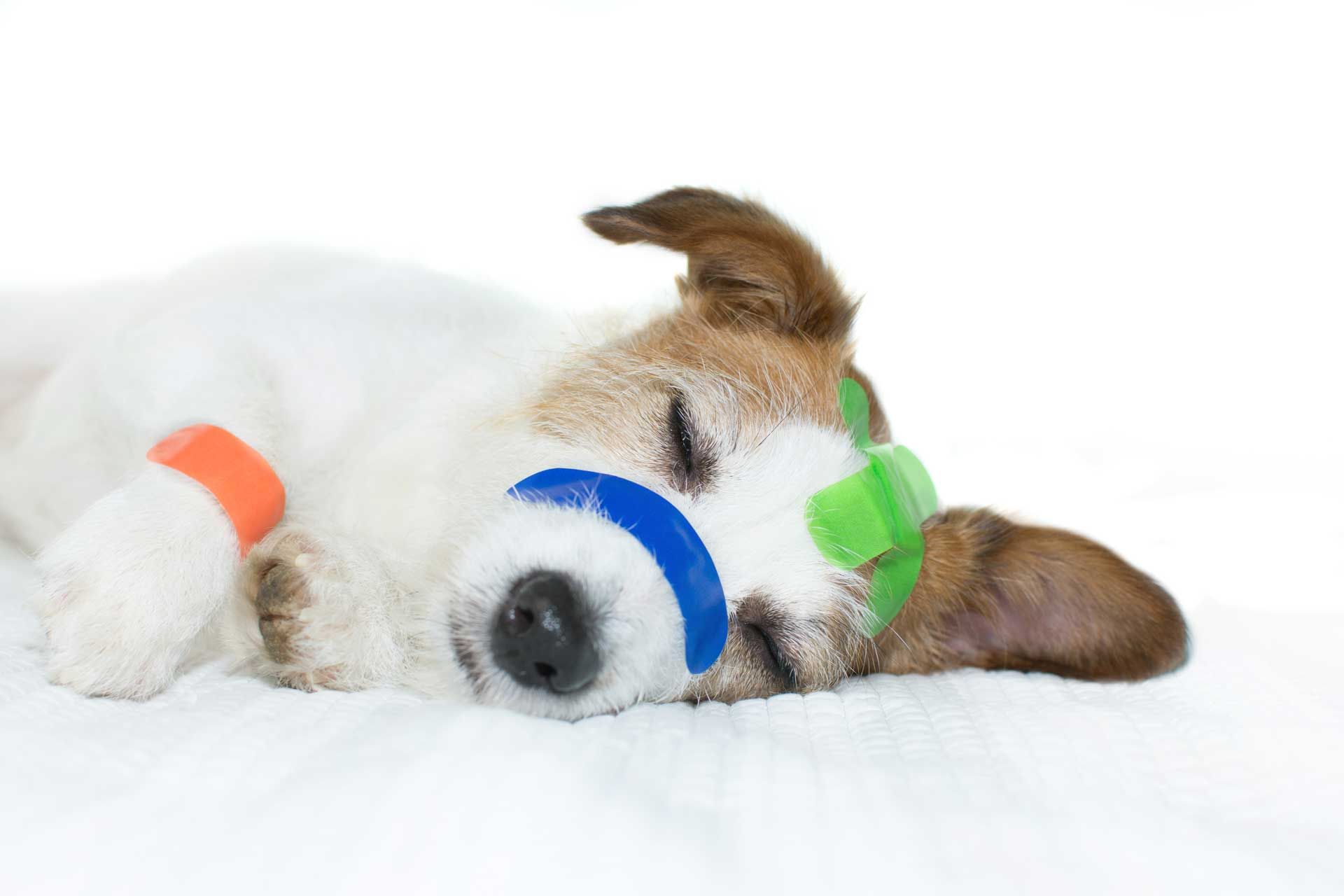
Post-Operative Care and Recovery
Supporting your pet’s recovery after surgery is a vital part of the healing process. Whether they’re staying with us overnight or recovering at home, the right post-operative care will help reduce the risk of complications and speed up healing.
It’s common for pets to seem drowsy or quiet for several hours after surgery. In most cases, this is completely normal and resolves with rest and a calm environment at home.
The recovery timeline will vary depending on the type of surgery. Soft tissue procedures typically heal within 10 to 14 days, while orthopaedic surgeries—such as those involving bones or joints—can require several weeks of restricted activity and/or rehabilitation.
Your vet will walk you through every step of the recovery plan, including when to return for follow-up checks or suture removal.
Why Choose Sydney Animal Hospitals for Dog and Cat Surgery?
From standard veterinary services like desexing, microchipping and vaccinations, to more advanced vet surgical services like corrective airway surgery and joint or ligament repair, Sydney Animal Hospitals offers gold-standard care.
Our experienced vet surgeons and nurses are focused on safety, comfort, and successful outcomes at all times by using modern surgical techniques and state-of-the-art equipment to ensure each procedure is as precise and low-risk as possible. All surgical instruments and environments are clean, sterile, and well-maintained to exceed industry hygiene standards — because your pet deserves nothing less.
So, whether it’s a routine procedure or a complex surgery, you can trust Sydney Animal Hospitals to treat your pet with expert hands and a compassionate heart.
Get veterinary care you can count on
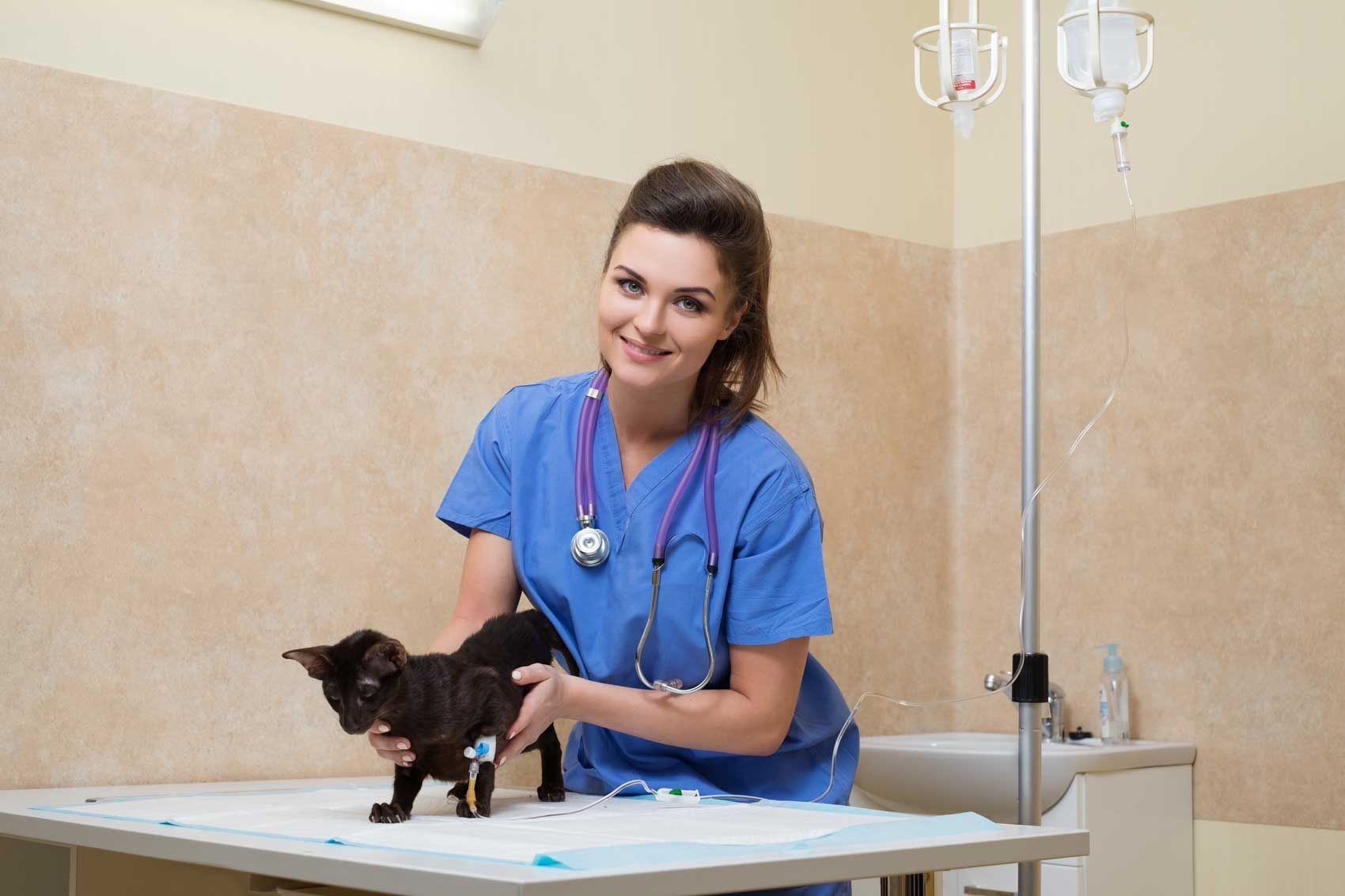
Ensure a Smooth Recovery for Your Pet
Our Rapid Recovery Pack is designed to support your pet's healing journey post-surgery. With comprehensive care tailored for a faster, more comfortable recovery, you can rest assured your furry friend is in safe hands. Ask us about how we can help your pet bounce back stronger and healthier.
Testimonials

Thank you Norwest Sydney Animal Hospital for looking after my dog. A huge thank you to Gabby and Sarah for their professional, friendly, bubbly and fun presence.
Keiffer
The team at Avalon are always professional, kind and do a great job treating our dogs.
Liz Wales
Dr. Ben and the team are wonderful. Not only are do they take the time to listen and provide extra advice. Wouldn’t bring my fur family anywhere else. Thank you for always looking after us John, Katy & Odin.
Katy Marasovic
Thank you Norwest Sydney Animal Hospital for looking after my dog. A huge thank you to Gabby and Sarah for their professional, friendly, bubbly and fun presence.
Keiffer
The team at Avalon are always professional, kind and do a great job treating our dogs.
Liz Wales
7 Sydney Animal Hospital Locations Across Sydney
Sydney Animal Hospitals have 7 locations across Sydney for your convenience
Newtown
Open 7 days
Inner West
Open 7 days
1A Northumberland Ave,
Stanmore NSW 2048
(02) 9516 1466
Norwest
Open 7 days
8/1 Celebration Dr
Bella Vista NSW 2153
(02) 8883 0411
Kellyville
Open 7 days
106 Windsor Rd,
Kellyville NSW 2155
(02) 8883 0533
Baulkham Hills
Open 7 days
472 Windsor Rd,
Baulkham Hills NSW 2513
(02) 9157 5557
Newport
Open 7 days
Corner of 1 Palm Rd, Barrenjoey Rd
Newport NSW 2106
(02) 9997 4609
Avalon
Open 7 days
710 Barrenjoey Rd,
Avalon NSW 2107
(02) 9918 0833
Providing Animal Hospital Care with Flexible Payment Options
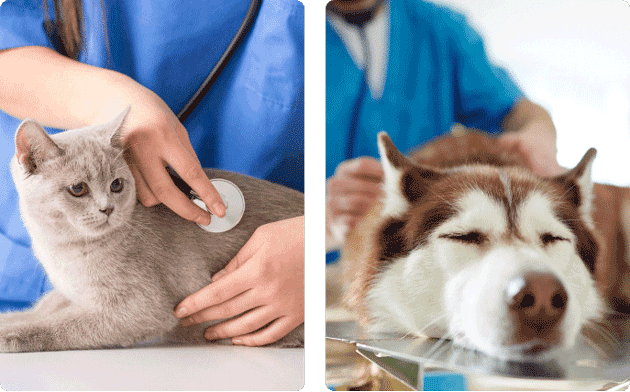
Like any member of your family, an unexpected illness or injury can happen to your pet at any time and with that comes unforeseen expenses.
To help with these unexpected costs Sydney Animal Hospitals offer a number of payment options such as Afterpay, Zip, VetPay, cash and credit card.
If you have pet insurance you may be able to claim on the spot and only pay the gap with GapOnly™
SYDNEY ANIMAL HOSPITALS ACCEPT

Frequently Asked Questions
Common questions pet owners ask regarding vet surgery
What Types of Veterinary Surgeries Do You Perform?
We perform a range of surgeries for dogs and cats, including soft tissue surgery (BOAS, lump removal, foreign body removal, and GDV), orthopaedic surgery (TPLO, MPL, fracture repair, and JPS), and emergency surgeries. If your pet requires a specific type of surgery, our team will guide you through the available options and what’s best for their individual case.
Is Cat and Dog Surgery Safe?
While all cat and dog surgeries carry some level of risk, we take every precaution to ensure your pet’s safety before, during, and after their procedure. This includes thorough pre-operative checks, pre-anaesthetic blood testing, advanced monitoring during surgery, and attentive post-operative care. Our team works closely together to tailor anaesthetic and surgical plans to each pet’s age, breed, and health conditions.
Can My Pet Stay Overnight After Surgery?
Yes. For more complex procedures, older pets, or for your own peace of mind, your pet may be allowed to stay overnight under our care. In some cases, this is recommended to allow us to monitor pain levels and ensure a smooth recovery before heading home.
What Signs Should I Watch for at Home After Vet Surgery?
It’s normal for pets to feel drowsy, have a reduced appetite, or move more slowly after surgery. However, please contact us if you notice swelling, redness, bleeding, discharge from the wound, vomiting, persistent lethargy, or signs of pain. We’ll provide you with a post-operative care sheet, and we are always available to answer questions during recovery.
How Long Will It Take for My Pet to Recover From Veterinary Surgery?
Recovery time depends on the type and complexity of the surgery. Most soft tissue surgeries heal within 10–14 days, whilst orthopaedic procedures may take several weeks.
What Is the Cost of Vet Surgery?
The cost depends on the procedure, the complexity of the case, the size of your pet, and whether additional diagnostics or hospital stays are required. We can provide estimates and explain what’s included so you can make an informed decision. Please contact us for a tailored quote or to discuss payment options.
Get Social with


