
VETERINARY SERVICES
Puppy & Adult Dog Vaccinations in Sydney
Vaccinations have revolutionised the control of infectious diseases in dogs, both young and old. With annual dog vaccines from Sydney Animal Hospitals, you can protect your pet from serious viruses and common conditions like kennel cough.
Prevention is the best medicine
The Importance of Dog Vaccines
In Australia, core dog vaccines are usually combined in a single C3 vaccination, and keeping it up to date is one of the most important steps you can take to protect your dog's long-term health.
Core vaccines help prevent life-threatening diseases and conditions that are not only highly contagious but often fatal if left untreated.
Regular dog vaccinations also play a vital role in safeguarding public health by reducing the spread of zoonotic diseases (from animals to humans) and ensuring safer interactions in shared spaces like vet clinics, parks, kennels, and doggy daycare centres.
While puppies require an initial course of vaccines, adult dogs need regular boosters to maintain strong, lasting immunity, which your vet will review at each
annual pet health check.
Puppy Vaccinations
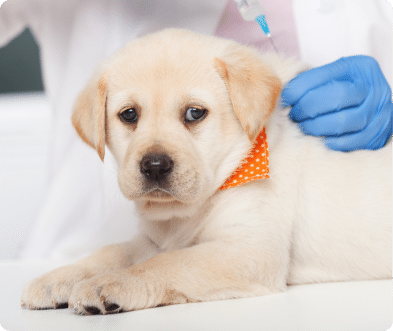
Puppies are temporarily protected against many diseases by antibodies they receive through their mother's milk. These maternal antibodies begin to decline within the first few months of life, and while present they can interfere with how well a vaccine works. That is why a carefully timed series of vaccinations for puppies, usually starting with a C3 from six to eight weeks of age, is essential to build lasting immunity during this vulnerable stage.
Once your puppy has finished their course,
puppy preschool is a great next step for safe, supervised socialisation.
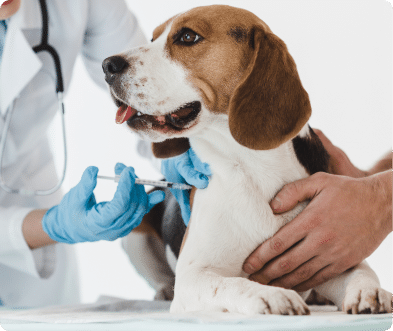
Adult Dog Vaccinations
The immunity gained from puppy vaccinations weakens over time, leaving your dog vulnerable to disease once again. Regular health checks and timely vaccinations for dogs, including annual boosters as needed, offer the best ongoing protection and help keep your pet healthy throughout their life.
Dog Vaccination Schedule
In Australia, the standard dog vaccination schedule begins with a puppy course of C3 vaccines, often extended to a C5 to cover kennel cough, followed by regular boosters through adulthood. Keeping your dog protected means following a schedule that matches their life stage and risk factors.
PUPPIES
The first vaccination is usually given at six to eight weeks, with boosters at ten to twelve weeks and again at fourteen to sixteen weeks. Until the full course is complete, it is best to limit contact with unfamiliar dogs and public spaces.
ADULT DOGS
Once the initial series is complete, vaccinations continue with annual or tri-annual boosters, depending on the vaccine type and your vet's recommendation at each annual health check.
SENIOR DOGS
As dogs age, their immune system may weaken. Many older pets still benefit from regular vaccination, and your vet may tailor the schedule to their health, lifestyle and any pre-existing conditions.
Following a structured vaccination plan is key to a long, healthy life, and your vet will help make sure it is the right fit at every age.
At Sydney Animal Hospitals, all of our standard vaccinations are part of our LifeVAC and Health Care Plans.

Dog Vaccination Aftercare
Following a vaccination, your dog may be off-colour for a day or two or have some slight swelling or tenderness at the injection site. Access to food and water and a comfortable area to rest are usually all that is required for a quick recovery. However, if the response seems more severe, you should contact us for advice.
Please give us a call to discuss a suitable vaccination regime for your puppy or dog.
We’re here for your pet – before, during, and after their visit
Infectious diseases of dogs that we vaccinate against
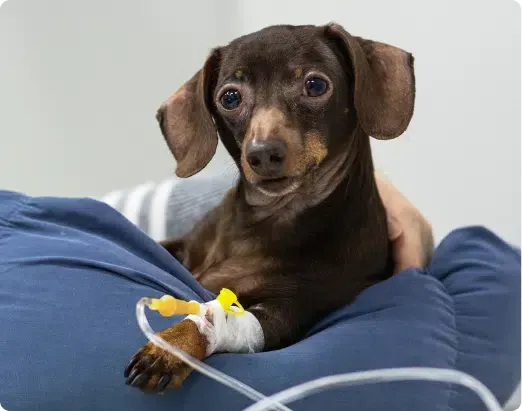
Parvovirus
Canine parvovirus is a disease that affects dogs of all ages but is most serious in young pups and older dogs. The virus attacks the intestines, causing blood-stained diarrhoea, uncontrollable vomiting and severe abdominal pain. Dogs often die from severe dehydration despite intensive veterinary care.
It is not necessary to have direct contact with other dogs for the disease to be spread. The virus is so persistent that the infected dog’s environment needs to be cleaned with a potent disinfectant to prevent spread to other dogs. Outbreaks occur regularly throughout Australia, especially in summer.

Distemper
Canine distemper is a highly contagious viral disease that can affect dogs of any age, with young puppies being at the highest risk. Symptoms vary but can include fever, coughing, sneezing, nasal discharge, vomiting, diarrhoea, loss of appetite and depression. Muscle tremors, fits, and paralysis usually occur later in the disease. Treatment is usually ineffective, and the recovery rate is very low. Dogs that are lucky enough to recover may have permanent brain damage.
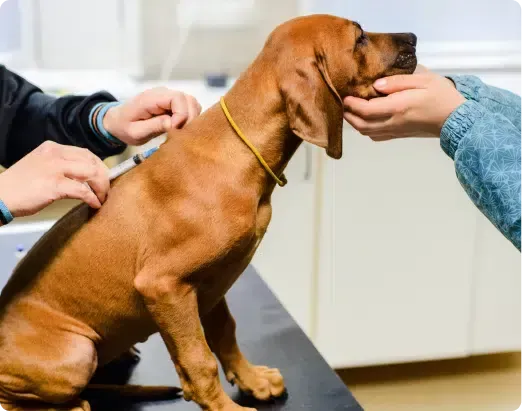
Hepatitis
Canine hepatitis is a viral disease which, like distemper, is extremely contagious and often fatal. Dogs of any age can become infected; however, severe cases are rare in dogs over two years of age.
Symptoms include high fever, depression, loss of appetite, vomiting, diarrhoea and acute abdominal pain. In severe cases, death can occur within 24 to 36 hours. Dogs that recover may develop long-term liver and kidney problems and can act as carriers spreading the disease to other dogs for many months.
Canine Cough
Canine cough or kennel cough is a condition produced by several highly infectious diseases, which can be spread easily wherever dogs congregate, such as parks, shows, obedience schools and boarding kennels.
Affected dogs have a dry hacking cough that can persist for several weeks. It is distressing for pet dogs and their owners. It is a major problem for working and sporting dogs. Pneumonia can also be a consequence of infection.

Coronavirus
Canine coronavirus is another contagious virus and causes depression, loss of appetite, vomiting and diarrhoea, especially in young dogs. Diarrhoea may last for several days in some cases. Although most dogs will recover with treatment, coronavirus has the potential to be fatal, especially if other infectious agents such as parvovirus are present.
Leptospirosis
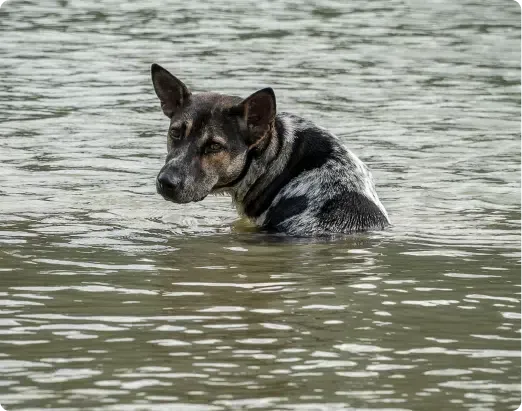
Canine leptospirosis is a serious disease that can cause high death rates. It is spread by the urine of rats and is usually transmitted to dogs by contaminated food and water or by rat bites. There’s an increased risk where high rat populations exist, such as rubbish dumps or green sugar cane cutting areas. Incidence can also increase after long periods of wet weather, when rat populations are forced to move or concentrate.
Leptospirosis can be passed to humans who may then suffer a persistent ‘flu-like’ illness.
Always contact your veterinarian for further advice if you have any questions or concerns regarding vaccinations or if your dog is showing any of the above symptoms contact your local Sydney Animal Hospital.
7 Sydney Animal Hospital Locations Across Sydney
Sydney Animal Hospitals have 7 locations across Sydney for your convenience
Newtown
Open 7 days
Inner West
Open 7 days
1A Northumberland Ave,
Stanmore NSW 2048
(02) 9516 1466
Norwest
Open 7 days
8/1 Celebration Dr
Bella Vista NSW 2153
(02) 8883 0411
Kellyville
Open 7 days
106 Windsor Rd,
Kellyville NSW 2155
(02) 8883 0533
Baulkham Hills
Open 7 days
472 Windsor Rd,
Baulkham Hills NSW 2513
(02) 9157 5557
Newport
Open 7 days
Corner of 1 Palm Rd, Barrenjoey Rd
Newport NSW 2106
(02) 9997 4609
Avalon
Open 7 days
710 Barrenjoey Rd,
Avalon NSW 2107
(02) 9918 0833
Providing Animal Hospital Care with Flexible Payment Options
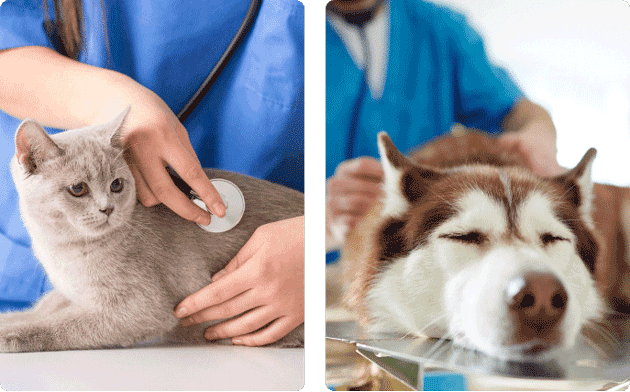
Like any member of your family, an unexpected illness or injury can happen to your pet at any time and with that comes unforeseen expenses.
To help with these unexpected costs Sydney Animal Hospitals offer a number of payment options such as Afterpay, Zip, VetPay, cash and credit card.
If you have pet insurance you may be able to claim on the spot and only pay the gap with GapOnly™
SYDNEY ANIMAL HOSPITALS ACCEPT

Frequently Asked Questions
Common questions pet owners ask regarding their dog vaccination schedule
What vaccinations do dogs need?
In Australia, the core dog vaccination is a C3, which protects against rabies, parvovirus, adenovirus, canine distemper, and canine hepatitis. Many dogs also receive a none-core C5 vaccination (depending on your dog’s lifestyle, location, and risk factors), which protects against leptospirosis, Lyme disease, and kennel cough caused by bordetella and the parainfluenza virus.
How often do dogs need vaccinations?
After the puppy course, most dogs need booster vaccinations every one to three years, depending on the vaccine type and their risk factors. Your vet will confirm the right interval at your dog's annual health check, where their overall health is also assessed.
Is an annual vaccination for dogs safe?
Yes, annual dog vaccines are generally safe and are crucial for preventing serious infectious diseases. Side effects are rare but can include mild swelling or discomfort at the injection site, lethargy, or fever. Serious adverse reactions are extremely uncommon and outweighed by the benefits of vaccination.
At what age should my puppy start vaccinations?
Puppies should start their vaccination series at around six to eight weeks of age. They will need a series of vaccinations spaced three to four weeks apart until they are about sixteen weeks old to ensure they are fully protected. Your veterinarian will determine the best schedule based on your puppy's health and risk factors.
What is the difference between a C3 and a C5 vaccination?
A C3 covers the three core diseases: parvovirus, distemper and hepatitis. A C5 includes everything in a C3 plus protection against kennel cough, which is recommended for dogs that mix with others at parks, boarding or daycare.
Do indoor dogs need yearly dog vaccinations?
Yes, even indoor dogs need vaccinations. They can still be exposed to disease through contact with other animals, visits to public places like dog parks or boarding facilities, or encounters with wildlife. Core vaccinations, at a minimum, are recommended for all dogs.
What happens if my dog misses a vaccination?
If your dog misses a scheduled vaccination, contact your veterinarian to reschedule as soon as possible. Depending on the vaccine and the time since the last dose, your vet may recommend restarting the series or simply giving a booster.
Latest Articles
From your Sydney Animal Hospitals team