
Common Pet Surgery Procedures in Sydney
What to Expect If Your Pet Requires Any of These Common Surgical Procedures
As a devoted Sydney pet owner, understanding the most common pet surgeries your dog or cat may one day need is part of responsible pet ownership. While modern diagnostics and regular veterinary care help reduce the risk of many conditions, surgery remains a common and sometimes necessary part of maintaining your pet’s long-term health.
By doing your due diligence now, you’re putting yourself in the best position to make calm, informed decisions if surgery is ever recommended.
Here, we examine some of the most common pet surgeries conducted at Sydney Animal Hospitals, the causes, and what to expect if your pet requires treatment.
Keen to chat to our veterinary team about a particular pet surgery?
We’re here to help - contact us today.
What Are the Most Common Pet Surgeries in Sydney?
Here at Sydney Animal Hospitals, our vets perform countless surgeries every year. Some are planned and straightforward, others are unexpected emergencies.
The more common dog and pet surgeries include:
- Pet desexing
- Cruciate Ligament Injury surgery
- BOAS (breathing difficulty) surgery
- JPS (hip dysplasia) surgery
- Gastrointestinal foreign body removal
- Lump or tumour growth removal
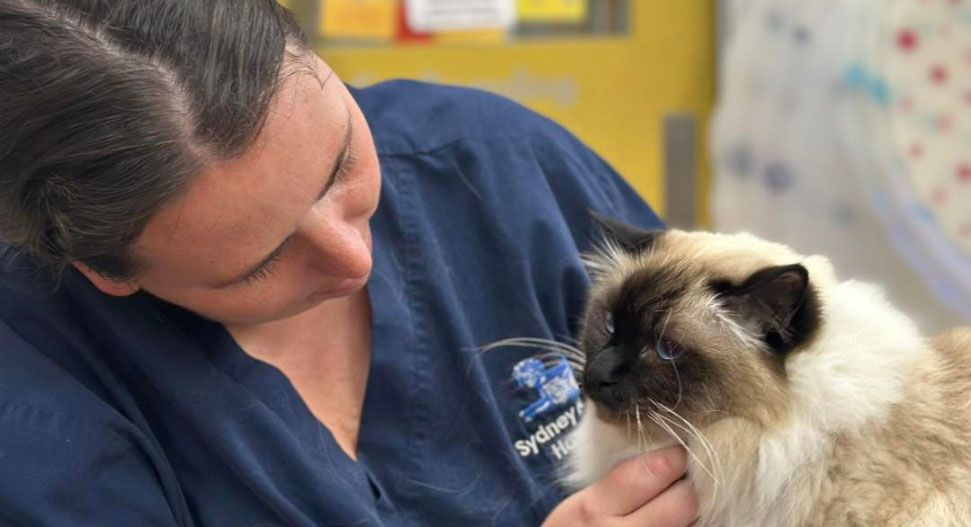
1. Pet Desexing
What Is Pet Desexing?
Pet desexing is one of the most important things you can do as a responsible owner. It is perhaps the most common pet surgery we perform across Sydney Animal Hospitals' clinics.
The process depends on whether your pet is male or female:
Female Desexing – Ovariohysterectomy
This procedure removes the uterus and ovaries of a female dog or cat.
Male Desexing – Castration
This procedure involves removing both of the dog or cat’s testes.
Why It Happens
Desexing not only prevents unwanted pregnancy (whether for your own pet or someone else’s), but also reduces behaviours such as roaming. Pets will often escape home in search of a mate during heat cycles.
Beyond population control, desexing can prolong and improve the quality of your pet’s life.
Signs You Need to Desex Your Pet
Desexing is a planned, preventive procedure rather than a surgery prompted by illness. It is typically recommended based on your pet’s age and long-term health planning.
What Desexing Surgery Involves
Whether a cat or a dog, male or female, several steps remain the same when desexing your pet:
- Pets must fast - no eating after 9 pm the night before surgery, and no food or water on the day of the procedure
- They receive a relaxant drug on arrival at Sydney Animal Hospitals
- They are placed under a general anaesthetic
- Your vet carefully clips the hair from the incision area
The incision location depends on sex:
- Females typically receive an incision along the belly’s midline, although some bitches may receive a flank incision
- Male dogs receive an incision in front of the scrotum
- Male cats receive an incision directly on the scrotum
Post-surgery:
- Your vet may recommend an Elizabethan collar to prevent your pet from interfering with sutures
- Sutures are removed approximately a fortnight after surgery, although absorbable sutures are often used depending on surgeon preference which dissolve on their own and don’t require removal
What Age to Desex Your Pet
Our vets recommend:
- Kittens at 4 months
- Small dogs at 5–6 months
- Large breeds after 12 months
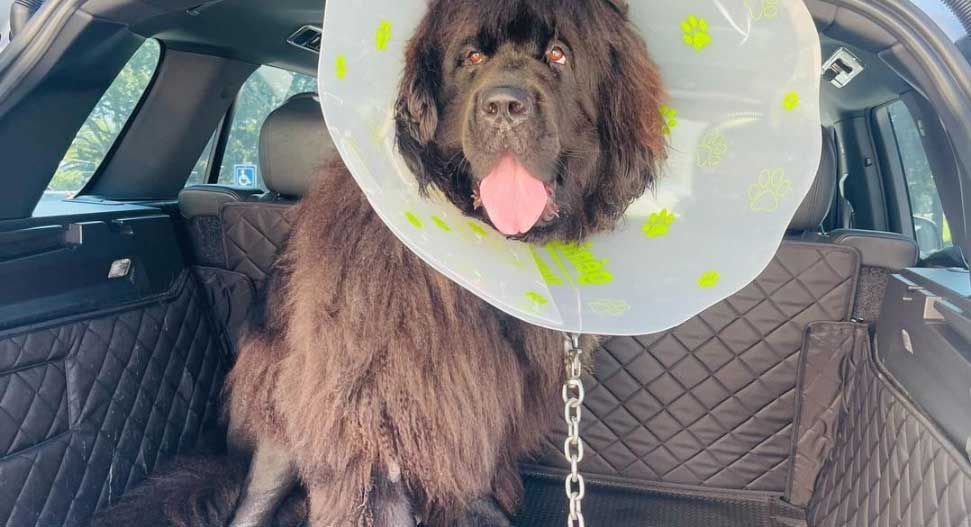
2. Cruciate Ligament Surgery for Dogs
What Is Cruciate Ligament Surgery for Dogs?
Another common pet surgery,
Cruciate Ligament Surgery, treats cruciate rupture which is one of the most common causes of lame hind legs in dogs. It compromises their knee function and is painful. If left untreated, it will likely escalate into permanent arthritis.
Why Cruciate Ligament Injuries Occur for Dogs
- Obesity or excessive weight
- Minor trauma
- Stretching and degeneration over time
- Breed traits (particularly larger breeds over the age of 4)
Signs of Cruciate Ligament Damage in Dogs
- Your dog becomes either gradually or suddenly lame
- They only rest their toe on the ground, not the weight of their full paw and leg
- They don’t want to walk
- They lose muscle mass
- They make pained noises if they have to put too much weight on their affected leg
- Limping can be constant or intermittent
What Cruciate Ligament Surgery for Dogs Involves
The exact process will depend on your dog’s size and the extent of injury. The surgery itself entails our vets inspecting the joint, cleaning it and removing any damaged meniscal material. The joint angle is then altered to eliminate requirement for a cranial cruciate ligament and the site is stabilised with a bone plate.
Post-surgery care is vital, and you will be required to ensure your dog undergoes specific exercises and takes anti-inflammatories and other medication for joint health. Post-operative physiotherapy is part of the recovery protocol here at Sydney Animal Hospitals.
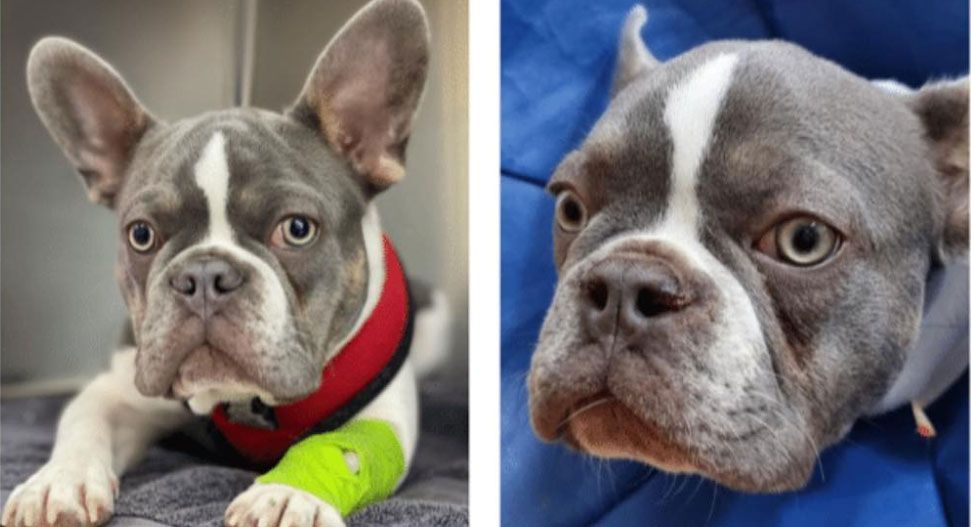
3. BOAS Surgery and Breathing Problems For Dogs
What is BOAS?
Also known as Brachycephalic Obstructive Airway Syndrome, BOAS surgery is a corrective procedure designed to remove excess airway tissue in squishy-faced breeds, improving their ability to breathe. It is best performed in young dogs around 12 months of age before the condition worsens and becomes high risk.
The condition typically occurs in brachycephalic breeds where the excessive tissue in the nose and throat restricts passage of air when the dog inhales. Heat, obesity and exercise can exacerbate symptoms. BOAS surgery is more common among:
- Australian Bulldogs
- French Bulldogs
- British Bulldogs
- Boston Terriers
- Pugs
- Boxers
- Shih Tzus
- Cavalier King Charles Spaniels
- Mastiffs
BOAS in Dogs Symptoms
Difficulty sleeping and breathing are the most common telltale signs that your dog has BOAS. Unfortunately, this can advance to severe respiratory distress if the dog is overheated.
What Is the Best Age for BOAS Surgery?
We recommend a BOAS procedure for your dog between the age of 12 to 18 months, before secondary changes have occurred.
What Does BOAS Surgery Involve?
BOAS surgery in dogs typically corrects the airways by widening nostrils, shortening and thinning the soft palate and removing excess soft tissue in the back of the throat that hinders breathing. Given the breathing difficulties throughout this process, your pet is closely monitored during and after surgery.
4. JPS Surgery - Juvenile Pubic Symphysiodesis
What is JPS?
Juvenile Pubic Symphysiodesis in dogs is an early intervention procedure performed in puppies at risk of developing hip dysplasia. The minor medical procedure is performed in puppies identified on X-rays with very loose hips. The procedure changes the way they grow to orient the hip socket with increased coverage to limit ongoing dislocation of the hip as the dog bears weight, whereby minimising the long term progression of hip dysplasia. This underlying laxity is identified in puppies 16-20 weeks of age by x-rays before discomfort levels are apparent and surgery can be performed on the same day if indicated on the x-rays.
What Dogs Typically Develop Hip Dysplasia?
- German Shepherds
- Labrador Retrievers
- Golden Retrievers
- Rottweilers
- Cavoodles
- Bulldogs
What Causes Hip Dysplasia in Dogs?
Genetics, environmental influences, excessive eating at a young age leading to rapid weight gain, and trauma to the hip joint can all contribute to hip dysplasia
What Juvenile Pubic Symphysiodesis Surgery Involves
JPS surgery is affordable, minimally invasive and intended to change the growth of the pelvis and the degree of hip socket coverage. In doing so, it stabilises loose hips and reduces instability. The first stage of the process is an x-ray to determine if this procedure is indicated. If surgery is required, the procedure includes:
Growth Plate Modulation
During the procedure, electrosurgery is used to close part of the growth plate at the pubic symphysis (the cartilaginous joint at the front of the hip). This halts growth in that specific region while allowing the remainder of the pelvis to continue developing as normal.
Improved Hip Coverage
As the surrounding pelvic bones keep growing, the acetabulum (hip socket) gradually rotates to provide greater coverage of the femoral head. This enhanced alignment helps decrease hip laxity and improves overall joint stability.
5. Gastrointestinal Foreign Body Removal
What is Gastrointestinal Foreign Body Removal?
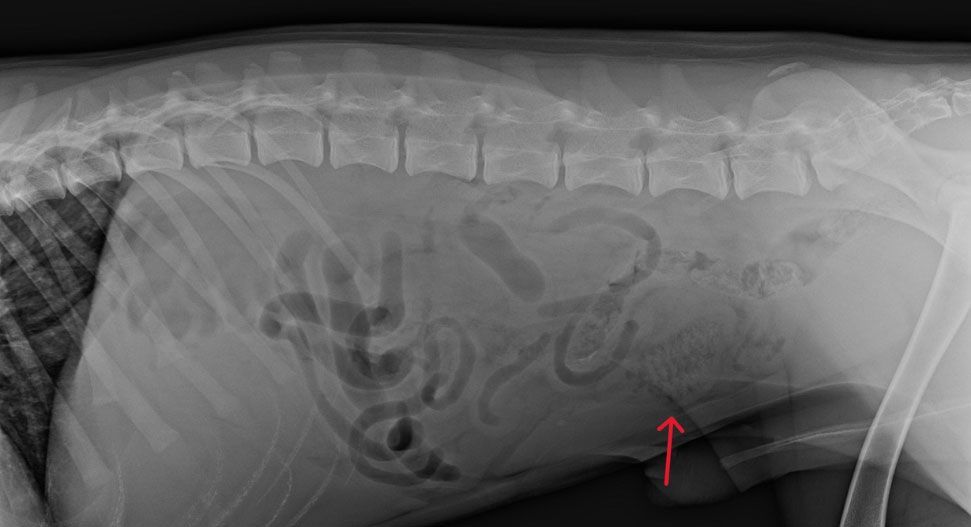
Everyone has a story about a dog or cat that ate something it should not have, or as it’s referred to in medical terms, a
gastrointestinal foreign body obstruction. We’ve removed everything from bones, coins, ties, string, underwear, toys, large stone fruit pips; nothing appears out of bounds to some inquisitive pets.
Signs Your Pet Has Swallowed Something They Should Not Have
Losing their appetite, showing signs of abdominal pain, being nauseous and/or vomiting are all signs your pet may have a gastrointestinal foreign body.
What Gastrointestinal Foreign Body Surgery Involves
The procedure depends on how straightforward it is to learn and locate details of the foreign body. Typically, our vets begin by feeling your pet’s abdomen. We will then escalate to an x-ray or ultrasound, however some foreign bodies are not easily seen on imaging. If all detection fails, we may have to resort to exploratory surgery to locate the foreign body and remove it.
6. Pet Lump and Tumour Removal
What is Pet Lump Removal Surgery?
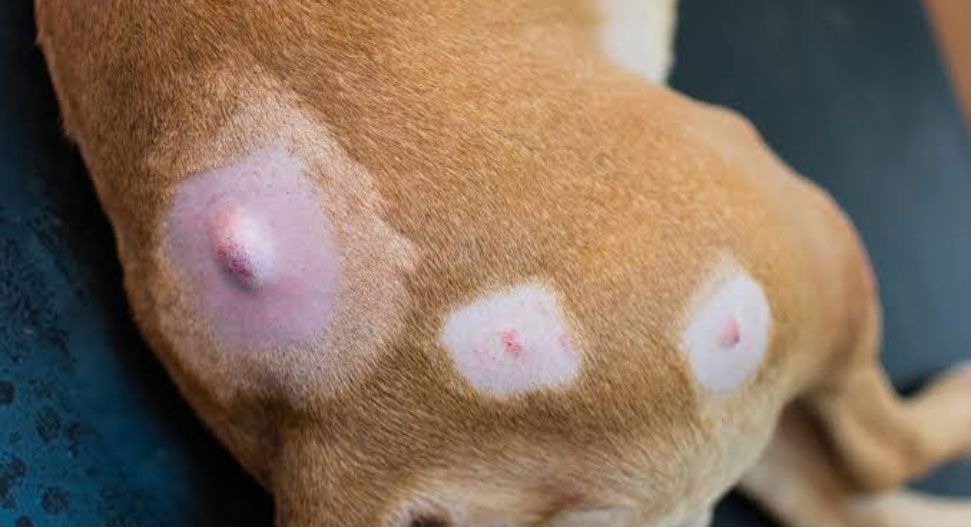
As with humans, lumps and bumps are a common part of life for animals. Such growths will either be
benign
(we will only remove them if we think they’re causing your pet distress or discomfort, not because their life is at risk), or
malignant
(cancerous growths that need to be removed).
Pet lump removal surgery is a straightforward process.
What Pet Lump Removal Surgery Involves
We begin by running blood tests to determine your pet’s general health and provide IV fluids during their anaesthetic to maintain optimal blood pressure and protect the kidneys.
We clip and sterilise the area around the tumour, before surgically removing it. We also take a small margin of healthy surrounding tissue to be confident we have removed the growth completely, and reduce its risk of return.
We then staple or stitch the incision area and provide you with clear and helpful post-operative care instructions as well as some ongoing pain relief to take home.
How to Choose the Right Vet For Common Pet Surgery In Sydney
When choosing a vet for common pet surgeries in Sydney, experience, facilities, and ongoing care all matter, which is why many local pet owners turn to Sydney Animal Hospitals.
As a group of vet-owned clinics operating across Sydney, we perform a wide range of common dog and cat surgeries every year. Our surgical protocols prioritise your pet’s safety, including pre-anaesthetic assessments, modern monitoring equipment, tailored pain management plans, and comprehensive post-operative support.
Just as importantly, we take the time to explain your options clearly, outline expected recovery timelines, and remain available for follow-up care. From initial diagnosis through to rehabilitation, our focus is on delivering high-quality surgical care that supports your pet’s long-term health and comfort.
Exceptional surgical care is about protecting all the years you still have ahead together.
FAQs About Common Cat and Dog Surgeries
How Do I Know if My Pet Needs Surgery?
Pets often show subtle signs when something is wrong, and early intervention can make a significant difference. Your pet may need surgery if they experience persistent pain, unexplained lameness, difficulty breathing, repeated vomiting, loss of appetite, visible lumps, or behavioural changes such as lethargy or reluctance to move.
In many cases, surgery is recommended after diagnostic testing such as x-rays, ultrasound, blood tests or physical examination confirms a structural issue that cannot be resolved with medication alone. Some procedures, like desexing or early intervention surgeries such as Juvenile Pubic Symphysiodesis (JPS), are preventive and planned rather than reactive.
If you are unsure, the safest approach is to book a veterinary assessment. Early diagnosis often reduces complications and improves long-term outcomes.
Is Pet Surgery Safe?
Modern pet surgery is generally very safe when performed by experienced veterinary teams using appropriate monitoring and anaesthetic protocols. At reputable veterinary clinics like Sydney Animal Hospital, pets undergo pre-anaesthetic health checks and, where recommended, blood tests to assess organ function before surgery.
During the procedure, advanced monitoring equipment tracks heart rate and electrical activity, oxygen levels, blood pressure, and temperature to maintain stability. Pain management plans are tailored to each individual patient, helping to ensure comfort both during and after surgery.
While all surgical procedures carry some level of risk (particularly for older pets or those with underlying health conditions), these risks are carefully assessed and discussed with you beforehand. With proper preparation and post-operative care, the vast majority of pets recover well and return to normal activity.
How Long Does Pet Surgery Recovery Take?
Recovery time depends on the type of surgery performed and your pet’s overall health.
- Routine procedures such as desexing typically require 10–14 days of restricted activity while the incision heals.
- Orthopaedic surgeries, such as cruciate ligament repair, may require several weeks of structured rehabilitation and gradual return to exercise.
- Soft tissue surgeries, including lump removal or foreign body surgery, often involve 2–3 weeks of recovery, depending on complexity.
Your vet will provide detailed post-operative instructions covering wound care, medication, activity restriction and follow-up appointments. Following these instructions closely plays a vital role in ensuring a smooth recovery and reducing the risk of complications.
How Much Do Pet Surgeries Cost in Sydney?
The cost of pet surgery in Sydney varies depending on the procedure, the complexity of the condition, diagnostic testing required, anaesthetic time and post-operative care. Routine procedures such as desexing are generally more affordable, while orthopaedic or emergency surgeries involving advanced imaging and longer hospital stays are more complex and therefore more costly.
During your consultation, your vet will provide a detailed treatment plan outlining the recommended procedure, what is included, and an estimate of associated costs. This typically covers anaesthesia, surgical time, monitoring, hospitalisation, pain relief and follow-up care.
If you are concerned about costs, speak openly with your Sydney Animal Hospitals veterinary team. In many cases, options can be discussed to ensure your pet receives appropriate care while remaining within your financial comfort zone.
Recent Posts