
Cat Not Eating for 24 Hours: What to Do
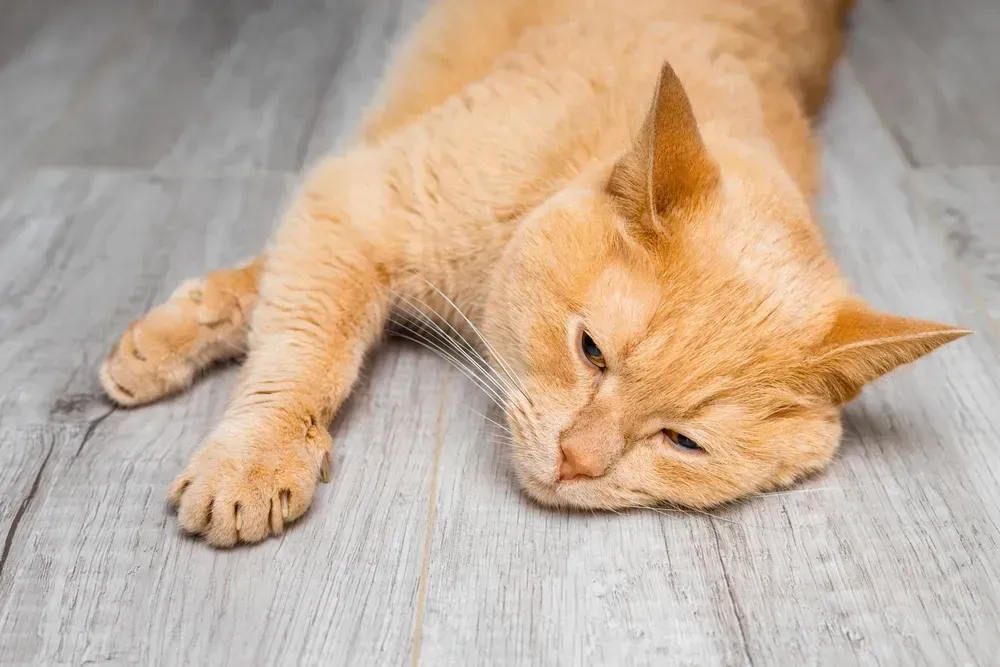
A cat that has not eaten for 24 hours needs to be taken seriously. Unlike dogs, cats can develop a life-threatening liver condition after as little as one to two days without food, so a short food strike is not something to wait out.
In this guide for cat owners, we’ll walk you through how long is actually too long, the most common reasons your cat may have stopped eating, what to try at home, and the warning signs that mean it's time to head straight to a vet.
If your cat hasn't eaten in 24 hours, please don't wait it out. Contact Sydney Animal Hospitals for same-day assessment or visit your nearest Sydney emergency vet clinic.
How Long Can a Cat Go Without Eating?
A healthy adult cat should not go more than 24 hours without eating. If any cat is refusing to eat food beyond that time, it needs to be seen by a vet. Kittens, senior cats and cats with chronic conditions have a much shorter safe window and should be assessed sooner.
When a cat stops eating, the body starts breaking down stored fat for energy. In cats, that fat is processed through the liver inefficiently, and within one to two days it can overwhelm the liver and trigger a condition called hepatic lipidosis (fatty liver disease). Overweight cats are especially vulnerable. This is why feline veterinary guidance treats a 24-hour food strike as a medical concern, not a behavioural quirk.
A rough guide on when to act:
| Time without food | What to do |
|---|---|
| Up to 12 hours | Monitor closely. Note water intake, energy and toileting. |
| 12 to 24 hours | Try tempting with a strong-smelling favourite. Call your vet for advice. |
| 24 to 48 hours | Book a vet appointment that day. Do not wait. |
| Over 48 hours | Emergency. Same-day vet visit required. |
Why Is My Cat Not Eating? Common Causes
Cats hide illness instinctively, so a lack of appetite – known clinically as feline anorexia – is often the first visible clue something is wrong.
Causes fall into four broad buckets.
1. Medical Causes
- Dental disease: Painful gums, fractured teeth or oral ulcers make chewing miserable. This is one of the most under-diagnosed reasons cats stop eating.
- Kidney disease: Common in older cats and often presents first as nausea and reduced appetite.
- Gastrointestinal upset: Inflammatory bowel disease, pancreatitis, constipation or an obstruction from a swallowed object can all switch a cat off food.
- Infections and fever: Cat flu, urinary tract infections and abscesses (especially in outdoor cats after fights) commonly suppress appetite.
- Pain: Arthritis, an injury or post-surgical pain can all reduce interest in eating.
- Toxin exposure: Lily ingestion, paracetamol, antifreeze and many common household plants are highly toxic to cats. If you suspect a toxin, check our pet poisons guide and call us immediately.
2. Stress and Environmental Causes
Cats are creatures of routine and even small changes can disrupt eating. Common triggers include a house move, new pet or baby, building works, boarding, a visiting cat outside the window, or a change in the household's daily rhythm.
3. Food and Bowl Issues
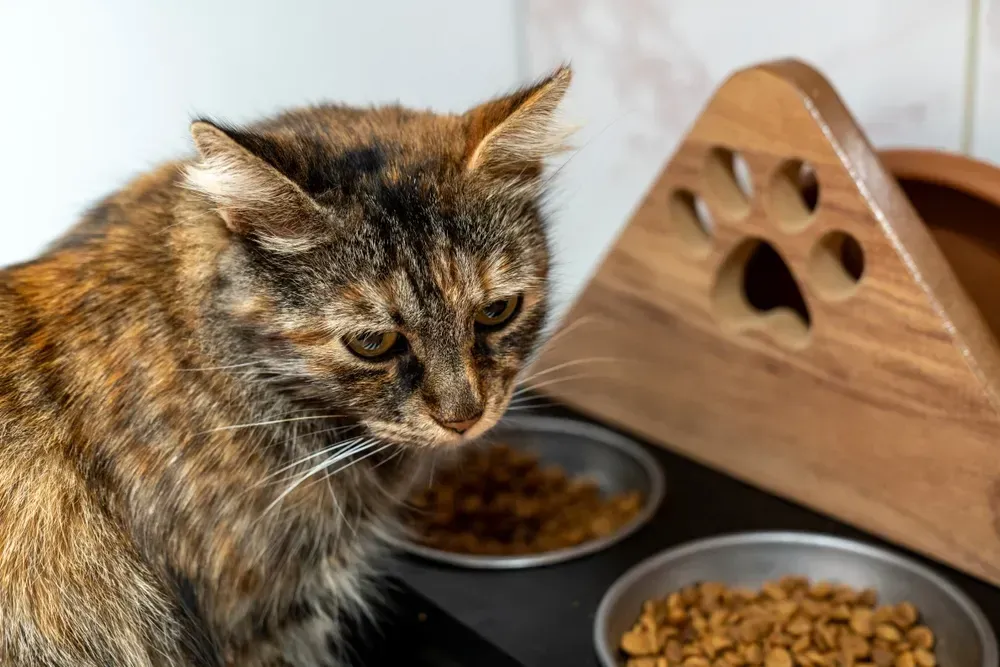
Sometimes the cause is mundane. A new food brand, food served too cold from the fridge, a dirty bowl, a bowl placed too close to the litter tray, or whiskers brushing the sides of a deep bowl (known as "whisker fatigue") can all put a sensitive cat off.
4. After Surgery, Vaccination or Medication
A reduced appetite for 12 to 24 hours after anaesthesia or vaccination is normal. Some medications, including certain antibiotics and pain relief, can also cause short-term nausea.
To help narrow down which cause may apply to your cat, try our online pet symptom checker .
What to Do When Your Cat Won't Eat: Step-by-Step
If your cat is still bright in themselves but not eating, try the following in order before the 24-hour mark:
- Check the basics: Is the food fresh? Is the bowl clean? Has the brand or flavour changed? Is the bowl shallow and away from the litter tray and water?
- Warm the food slightly: Wet food at body temperature releases more aroma. Microwave for 3 to 5 seconds and stir to remove hot spots.
- Offer a strong-smelling favourite: Tuna in spring water, plain cooked chicken or a sachet of a different wet food can break the strike. Avoid garlic, onion and heavy seasoning.
- Hand-feed a small amount: Some cats accept food off a finger or spoon when they won't approach the bowl.
- Remove the stressor if you can identify one: Move the bowl to a quiet room, separate from other pets, with no foot traffic.
- Monitor water, urine and stool: A cat that stops drinking as well needs urgent care. Note any vomiting, diarrhoea or absence of urine in the litter tray.
- Do not force-feed and do not give human painkillers: Paracetamol and ibuprofen are highly toxic to cats. If nothing has worked by hour 24, ring the clinic.
Cat Not Eating But Drinking Water: What It Means
A cat that's drinking but not eating is still in the danger zone for hepatic lipidosis, even though they appear hydrated. Increased thirst alongside reduced appetite can also point to kidney disease, diabetes or hyperthyroidism, all of which are common in middle-aged and senior cats.
A cat that is neither eating nor drinking is a more urgent emergency and should be seen the same day.
Warning Signs That Need Urgent Vet Care
Go to the vet straight away, even before the 24-hour mark, if you notice any of the following:
- Vomiting, especially more than once or with blood
- Yellow tinge to the gums, skin or whites of the eyes (jaundice)
- Hiding, hunched posture or vocalising in pain
- Pale, white or blue-tinged gums
- Laboured or open-mouth breathing
- Drooling or pawing at the mouth
- Collapse, unsteadiness or unresponsiveness
- Suspected toxin or plant ingestion (lilies are a feline emergency)
- No urine in the litter tray for 24 hours
- Your cat is a kitten, senior, diabetic, overweight or pregnant
These signs combined with a loss of appetite point to a serious underlying issue that won't resolve on its own.
How Sydney Animal Hospitals Can Help
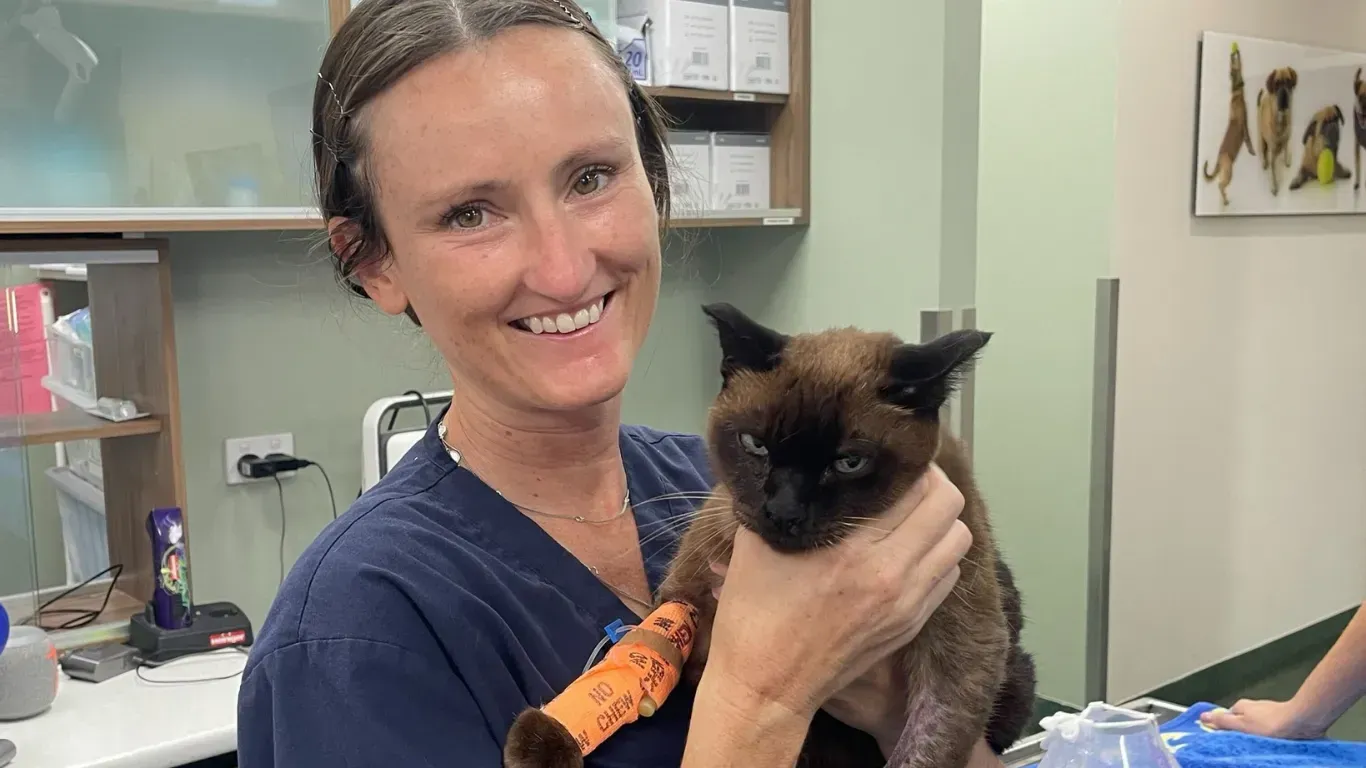
In a feline care emergency, no appointment is needed. You can walk straight into your local Sydney Animal Hospitals clinic and our team will prioritise your cat.
A typical visit involves:
- Triage: A veterinary nurse will assess your cat's breathing, gum colour, hydration and pain level on arrival.
- History and examination: Your vet will ask about the timeline, diet changes, recent stressors and any other symptoms, then perform a full physical examination including weight, temperature and abdominal palpation.
- Diagnostics: Depending on findings, this may include blood and urine tests, faecal analysis, X-rays or ultrasound to look for obstructions, organ disease or fluid in the abdomen.
- Treatment: Treatment is matched to the cause and may include IV fluids, anti-nausea medication, pain relief, appetite stimulants, dental work, or admission for assisted feeding through a temporary feeding tube where hepatic lipidosis is suspected.
- Follow-up: You'll go home with a clear care plan, medication instructions and a follow-up booking to make sure your cat is back to eating normally.
When your cat stops eating, you want answers fast. Our vets are here to find the cause, get them comfortable and guide you through every step towards recovery.
FAQs
Why is my cat not eating but acting normal?
Cats are skilled at masking illness, so "acting normal" doesn't rule out a problem. A bored palate, a new food, environmental stress or early-stage dental pain are all possibilities. If your cat has not eaten within 24 hours, book a vet appointment regardless of how they're behaving.
What can I feed a cat that won't eat?
Try a small amount of plain cooked chicken, a teaspoon of tuna in spring water, or warmed wet food in a strong-smelling flavour. Serve in a shallow ceramic bowl in a quiet spot away from the litter tray. Avoid onion, garlic, raw fish, dog food and any human medications.
Should I take my cat to the vet if they haven't eaten in a day?
Yes. A full 24 hours without food warrants a vet call the same day, and 48 hours is an emergency. The risk of hepatic lipidosis means waiting it out is not a safe option for cats, even if they otherwise seem well.
Can stress cause a cat to stop eating?
Yes. Cats are highly sensitive to change and stress is a common appetite suppressant. Triggers include moving house, new pets or people in the home, building works, a stay in boarding, or rearranging furniture. Address the stressor where possible, but still seek vet advice if eating has not resumed in 24 hours.
Vet reviewed by Dr Rebecca Cassilles, BVSc, PGCertScTech (surg) - Veterinary Superintendent Surgical Vet, Sydney Animal Hospitals Baulkham Hills.
Medical disclaimer: This article is for general educational purposes and does not replace veterinary advice, diagnosis or treatment. If you are concerned about your cat's health, please contact your nearest Sydney Animal Hospitals clinic.
Recent Posts