
A Complete Labrador Care Guide

A rough guide on when to act:
Good-natured, highly social, and even-tempered, Labradors are affectionate, outgoing dogs that have earned their place as one of Australia’s most loved family breeds.
This Labrador breed guide is designed to help you decide whether a Labrador is the right breed for your lifestyle. It covers key considerations, including temperament, size, exercise needs, health, grooming, feeding, and training, so you know what to expect before making a long-term commitment.
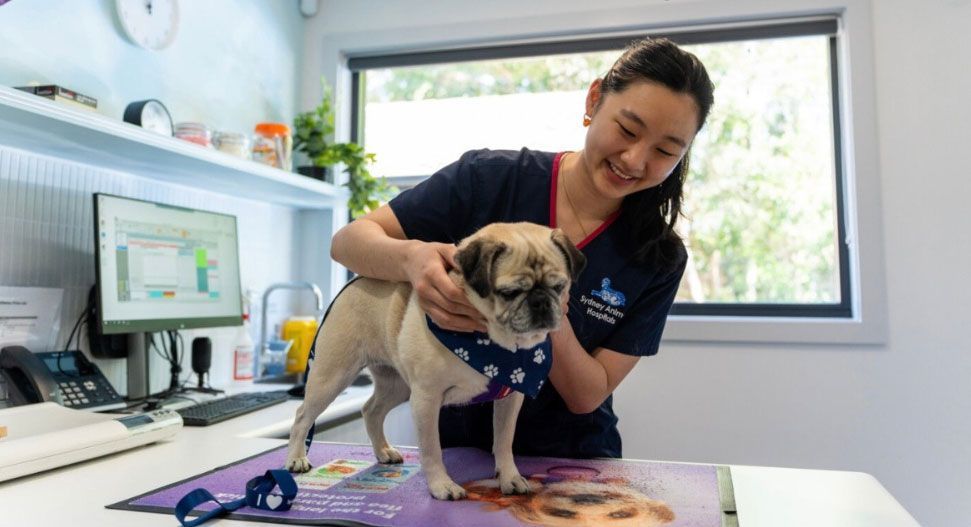
Written with the veterinary team at Sydney Animal Hospitals, this guide aims to make your decision as informed and straightforward as possible. Our compassionate, informative vets are also available to answer any questions you may have about caring for and raising a Labrador at every stage of life.
Getting ready to raise or look after a Labrador? Our experienced vets are here to help. Contact Sydney Animal Hospitals for professional advice and more information.
All About Labradors
Labrador Retrievers, also known as Labradors or simply Labs, remain among the most common registered pedigree purebred dog breeds in Australia and are classified in the Gundog Group. They come in three colours: yellow, black, and chocolate (liver).
Labs arrived in Australia in the 20th century and initially served as working dogs on farms. However, in the 1970s and 80s, their popularity exploded, and their scope expanded to include Guide Dogs, Service Dogs, and, of course, family pets. But where did it all begin?
The history of Labrador Retrievers dates back more than 500 years, to when Europeans ventured across what is now Canadian territory. They would explore these new lands with their dogs and, given the area’s isolation, a specific canine race, St John’s Dog, developed.
The larger version became known as the Newfoundland dog, whilst the smaller became the Labrador Retriever. The latter was infatuated with water and quickly became a companion to the local fishermen, helping haul in nets and lines and even jumping in to catch any cod that escaped the hook. It wasn’t long before Canadian sailors recognised their monetary value and began exporting them to England, where they became the progenitor for all contemporary British retriever breeds.
Labrador Temperament and Personality
From country towns to inner-city suburbs, serving as working dogs, running themselves ragged on farms or living a charmed life as a pampered pooch, Labradors are quick to adopt and adapt to whatever family life they’re given. They typically settle in beautifully, given their common traits:
- Intelligent- Labrador Retrievers often rank among the top ten smartest breeds of dogs. Their intelligence makes them well-suited to training, which we will discuss further below.
- Versatile- When you consider this breed began life as a working water dog and has evolved into a Guide Dog, Service Dog and devoted family member, it’s clear to see how adaptable they are.
- Kind- Gentle, patient and friendly, Labs are lovers, not haters. They get on well with everyone, from energetic, rough-play kids to frail elders.
- Outgoing- this dog is a true people-pleaser and will likely approach strangers with a wagging tail, expecting a pat or play.
- Even-tempered- beautifully-natured, the Lab breed is patient, gentle and not at all aggressive. For this reason, it makes a wonderful family member but a less impressive guard dog!
Labrador Exercise and Activity Needs
As puppies and young adults, Labs are full of energy and will need at least one hour (ideally two) of playtime and/or walking and running per day. This not only helps curb obesity
but also keeps them mentally stimulated. Indeed, swimming, scent games, play, and exercise will help mitigate potential behavioural issues.
Labrador Weight Guide
Sturdy and solid, adult Labs range in weight and size, with field line dogs tending to be taller and slimmer. The chart below captures the average weight and height of a Labrador dog:
| Female | Male | |
|---|---|---|
| Height | 56cm | 58cm |
| Weight | 25 - 32kg | 29 - 36kg |
The average life expectancy of a Labrador is 10 - 12 human years.
Please check the
Sydney Animal Hospitals puppy weight calculator to better estimate your Labrador Retriever’s final size.

Labrador Health Issues
There are common
Labrador health problems to be aware of, many of which you can mitigate through proper care and a healthy diet.
- Joint Dysplasia- a genetic condition that can lead to badly formed joints, joint pain and arthritis. Sydney Animal Hospitals can conduct regular X-ray screenings to help stay on top of this. We also perform Juvenile Pubic Symphysiodesis on puppies with dysplastic hips on x-rays to reduce the incidence of hip dysplasia later in your Lab’s life.
- Obesity- this breed loves its food (more on that later) and will blissfully eat itself sick. Excess food can lead to weight gain, exacerbate underlying joint issues and increase the chance of diabetes. A strict diet, regular exercise and an annual Pet Health Check at Sydney Animal Hospitals will help to manage this.
- Exercise-Induced Collapse (EIC)- a genetic condition that can lead to weakness or even collapse after bouts of exercise.
- Ear Infections- their floppy ears can trap moisture, especially after time spent in the water (which they love). Be sure to dry your Lab’s ears, especially after water exposure.
- Progressive Retinal Atrophy (PRA)- can eventually lead to blindness.
- Skin Allergies - Hot skin spots, scratching, and dermatitis can all occur in Labs. Treatments are available through Sydney Animal Hospitals.
Australia-Specific Health Considerations for Labs
Labrador Retriever owners in Sydney and Australia-wide need to be vigilant for
sun exposure and
tick paralysis.
Labrador Grooming
One reason the Lab became so popular among Canadian fishermen was its coat. Shorthaired and water-resistant, the double coat was ideal for cold, icy temperatures. However, that is not an invitation to let it live brush-free!
As with all
pet grooming, regular attention is best. Brushing, bathing, nail trimming, oral care, and the aforementioned ear cleaning will help keep your Lab in tip-top shape and looking lovely.
Labrador Feeding Guide
Training, playing, and eating are the top three favourite pastimes for a Lab, though not necessarily in that order.
Always monitor your dog’s appetite and consider this Lab food guide carefully… This breed doesn’t know when to stop eating and will likely find just about anything palatable. Strict pet nutrition from an early age is therefore key.
Labrador puppies require plenty of nutrients to grow and build new cells. Food needs to be rich in complex antioxidants, including vitamin E. Their little digestive systems are not yet fully developed, so highly-digestible proteins are paramount.
We recommend feeding your Lab puppy three times a day, and reducing this to twice daily by about six months. Importantly, never give your Lab human food or fatty snacks. If you want to reward them, remove kibble from their daily allowance and use it as a replacement instead.
! Feeding recommendations vary based on your Labrador’s age, activity level, and health status, so individual guidance from your vet is always recommended.

Labrador Training Guide
Labs love a pack leader mentality and respond exceptionally well to training. Indeed, this is one of the reasons that makes them such effective Guide and Service Dogs.
Training your Lab puppy will usually take about eight weeks and involves the following key milestones:
- Lab proofing your home- these little loveables can seemingly chew on anything!
- Dog socialising- expose your pup to other pets, animals, visitors, noises, sights and random people and happenings in the street.
- Dog grooming- expose them early to nail trimming, coat and teeth brushing, etc., so they quickly become familiar and obedient.
- Potty training- take your Lab puppy outside as soon as they wake up each morning, then again every half hour, using kibble treats to maintain motivation.
- Fetching and walking on the leash- start this in their first three months, so they quickly adapt.
- Dog swimming- lessons should start around three months. Despite their water dog ancestry, they will need gradual exposure. Never simply throw them in the deep end!
- Obedience training- begins about month four, after all the necessary puppy vaccinations.
! Labs don’t have an average age of sexual maturation; it can come as early as seven months or as late as two years. Talk to Sydney Animal Hospitals about
pet desexing.
Labrador Puppy Training Tips
✔️ Positive reinforcement. Reward desired behaviour immediately with some kibble removed from your dog’s daily meal plan (or a great belly rub and hug).
✔️ Use consistent, simple commands like “No”, “Down”, “Fetch” and “Sit”.
✔️ Always take them outside as soon as they’ve woken up, eaten or played to encourage good potty training.
✔️ Avoid yelling - your Labrador is sensitive to sound.
✔️ Don’t run or jump on unforgiving surfaces until their bones have had time to develop.
Contact Us for More Labrador Breed Guide Information
We hope this Labrador guide
is beneficial. Without question, you’re contemplating one of Australia’s most loved dog breeds as part of your family.
At Sydney Animal Hospitals, we know that no two Labradors are the same. From energetic puppies to loyal seniors, our veterinary team is here to support your Lab’s health and happiness at every life stage with personalised guidance, routine health checks, and genuinely caring support.
Whether you’re booking your Labrador’s very first puppy visit or looking for advice as they grow and mature, you can feel confident knowing our experienced vets will walk alongside you through every chapter of your dog’s life.
Choose a veterinary team committed to caring for your Labrador for life.
Labrador Care Guide FAQs
How Much Exercise Do Labradors Need?
Labradors are an active, high-energy breed that requires a minimum of 60–90 minutes of exercise every day to stay physically healthy and mentally settled.
For most adult Labradors, this should include:
- At least one brisk daily walk.
- Off-lead running or play where safe and permitted.
- Interactive activities such as fetch, swimming, or scent games.
- Mental stimulation through training or puzzle toys.
Labradors were originally bred as working dogs, so they thrive when given a “job” to do. Without enough exercise, they may become bored, destructive, or prone to weight gain.
Are Labradors Good Family Dogs?
Yes, Labs are widely regarded as one of the best family dog breeds in Australia.
They are known for being:
- Friendly and affectionate.
- Highly social and people-focused.
- Gentle, patient, and adaptable.
- Easy to train and eager to please.
Labradors tend to integrate seamlessly into family life, whether living in a suburban home with a backyard or an active household with older children. Their even temperament makes them well-suited to busy households, provided their exercise and companionship needs are met.
That said, Labradors do best in homes where they are treated as family members. They are not well-suited to being left alone for extended periods.
Are Labradors Good With Children?
Labradors are generally excellent with children and are often recommended for families with kids.
Their key strengths include:
- A gentle and tolerant nature.
- High patience levels.
- Playfulness without aggression.
- Strong bonds with all family members.
Labradors typically enjoy interactive play and are happy to engage with children of different ages. However, as with any dog, supervision is essential, especially with younger children, to ensure respectful interactions on both sides.
Early socialisation and basic training are important to help Labradors learn appropriate behaviour around children, particularly given their size and enthusiasm as puppies and adolescents.
What Should I Consider Before Getting a Labrador?
To determine if a Labrador is right for your lifestyle or family, consider:
- The Lab breeder - ensure this is an ethical, responsible and approved Labrador breeder.
- How much time you can invest in playing, training and exercising your Lab (you’ll need a minimum of 60 minutes each day).
- Labs are not good on their own and need to be around people or other pets.
- Labradors live for around 12 years, so this is a long-term commitment.
- Understand common Labrador health problems so you can look out for them and be prepared.
Do Labradors Shed?
Yes, Labradors shed year-round, with heavier seasonal shedding in spring and autumn.
They have a short, dense double coat designed to protect them from cold and water, so shedding is normal and unavoidable.
Regular grooming can significantly reduce loose hair around the home:
- Brushing 2–3 times per week (daily during shedding seasons).
- Occasional bathing using a dog-appropriate shampoo.
- Routine checks of skin and coat health.
Despite shedding, Labradors are relatively low-maintenance compared to long-haired breeds, and their coat does not require trimming.
How Much Do Labradors Cost?
The cost of owning a Labrador extends beyond the initial purchase price and should be carefully considered before committing.
Upfront costs in Australia may include:
- Purchase or adoption fees.
- Initial vaccinations and health checks.
- Microchipping and council registration.
- Desexing surgery (if not already completed).
Ongoing costs typically include:
- Quality food and treats.
- Routine veterinary care and annual health checks.
- Parasite prevention (fleas, ticks, worms).
- Grooming supplies.
- Training or puppy classes.
- Pet insurance or emergency care savings.
While costs vary, Labradors are a medium-to-large breed with higher food and healthcare needs than smaller dogs. Planning for both routine and unexpected veterinary care is an important part of responsible ownership.
Recent Posts