

SURGICAL
Gastric Dilatation Volvulus (GDV)
If you think your dog might be suffering from GDV, take them to your nearest Sydney Animal Hospitals clinic immediately.
What Is Gastric Dilatation Volvulus in Dogs?
Gastric dilatation in dogs is a life-threatening condition. We will discuss below what this condition is, why it happens and what we can do to reduce the risk to our pets.
GDV in dogs describes a situation where the stomach becomes bloated with gas or food and then twists around on itself within the abdomen. This causes extreme pain and can be fatal within hours due to the impacts of shock and compromise of blood supply to organs within the body.
Which Dog Breeds Are at Risk of GDV?
Most classically affected breeds are large, deep-chested dogs (e.g. Great Danes, German Shepherds, Setters, Weimaraners, Standard Poodle), but any size and age of dog can be affected.
What You Need to Know about Bloat in Dogs
Signs of GDV
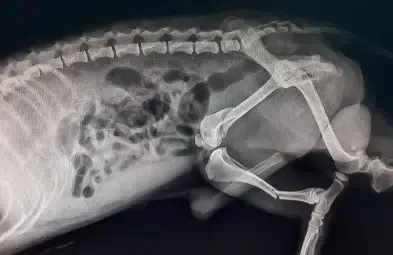
Signs you may see at home include an obviously distended abdomen, signs of pain or distress, panting and vomiting or retching that is not productive. Xrays are commonly used by veterinarians to help diagnose a GDV.
Treatment
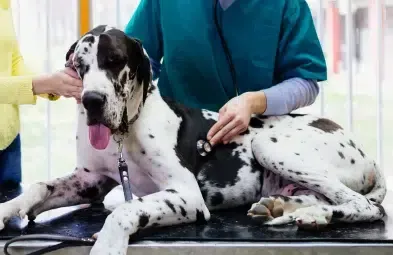
Treatment includes emergency stabilisation, decompression of the stomach to release gas and or food, followed by emergency surgery to de-rotate the stomach and in some cases remove parts of the spleen or stomach if they have been severely injured.
Possible Risk Factors
Some of the risk factors thought to be associated with development of a GDV include breed (as discussed above), eating rapidly, a stressed or anxious temperament, feeding a large volume, single meal per day, exercise shortly after a meal, having a close family history of bloat and eating from an elevated food bowl.
What You Can Do
For high-risk breeds, a discussion should be had with your veterinarian regarding ways to reduce risk of bloat and GDV in your dog.
Surgery for Canine Gastric Dilatation Volvulus
For gastric dilatation and volvulus in dogs, a veterinary surgical procedure called a ‘gastropexy’ can be performed for at-risk breeds and may be offered at the time of desexing.
In this preventative surgery, the stomach is tacked to the body wall, which does not stop bloat but greatly reduces the risk of the stomach rotating and causing a much more serious situation.
If your dog already has GDV, emergency surgery will be undertaken to release the gas that has built up. The operation involves untwisting and repositioning the stomach, and a gastropexy will also be performed to stop it from twisting again.
Being able to recognise and treat signs of bloat in dogs quickly is crucial for a good outcome.
If you have any concerns, please contact your local Sydney Animal Hospital.
7 Sydney Animal Hospital Locations Across Sydney
Sydney Animal Hospitals have 7 locations across Sydney for your convenience
Newtown
Open 7 days
Inner West
Open 7 days
1A Northumberland Ave,
Stanmore NSW 2048
(02) 9516 1466
Norwest
Open 7 days
8/1 Celebration Dr
Bella Vista NSW 2153
(02) 8883 0411
Kellyville
Open 7 days
106 Windsor Rd,
Kellyville NSW 2155
(02) 8883 0533
Baulkham Hills
Open 7 days
472 Windsor Rd,
Baulkham Hills NSW 2513
(02) 9157 5557
Newport
Open 7 days
Corner of 1 Palm Rd, Barrenjoey Rd
Newport NSW 2106
(02) 9997 4609
Avalon
Open 7 days
710 Barrenjoey Rd,
Avalon NSW 2107
(02) 9918 0833
Providing Animal Hospital Care with Flexible Payment Options
Like any member of your family, an unexpected illness or injury can happen to your pet at any time and with that comes unforeseen expenses.
To help with these unexpected costs Sydney Animal Hospitals offer a number of payment options such as Afterpay, Zip, VetPay, cash and credit card.
If you have pet insurance you may be able to claim on the spot and only pay the gap with GapOnly™
SYDNEY ANIMAL HOSPITALS ACCEPT

Frequently Asked Questions
Common questions pet owners ask about gastric dilation in dogs
What Is GDV in Dogs?
Gastric dilatation volvulus in dogs (also known as bloat), refers to stomach distension and twisting. It occurs when the stomach fills with gas, fluid or food causing it to swell and twist on itself. The twisting causes the distended stomach to press onto large blood vessels, stopping blood flow to the stomach and spleen.
What Causes Gastric Dilatation in Dogs?
GDV is a complex condition that doesn’t have a single known cause. However, it is associated with several risk factors which include:
- Breed and body shape: Large dog breeds with deep chests.
- Age: Older dogs are more at risk, as they may have weaker stomach muscles.
- Genetics: Dogs with a family history of GDV are at increased risk.
- Diet: Some research suggests that diets high in fat or containing certain ingredients may contribute to GDV.
- Eating habits: Dogs that gulp down food or are fed one large meal per day (instead of multiple smaller meals) have a higher risk of GDV.
- Eating from elevated bowls: Some studies suggest that raised food bowls may contribute to GDV.
- Stress: Dogs in high-stress situations or that generally have an anxious temperament can be susceptible to GDV, as stress can cause changes in the stomach.
- Exercising at the wrong times: Vigorous activity right before or after eating can increase the risk of GDV.
What Are Common Gastric Dilatation Volvulus Symptoms in Dogs?
When it comes to how to diagnose GDV in dogs, being able to recognise the signs of a gastric volvulus dog is critical to saving their life. The most obvious signs of a dog with GDV are having a swollen stomach, non-productive vomiting (when nothing comes up), retching, and lethargy. Some other indicators of abdominal pain and discomfort can include agitation, breathing difficulties, shock, collapse, excessive salivation, a rapid heart rate, and pale gums. One or more of these symptoms could be a sign of several other health conditions too, so you should seek the expertise of a professional vet ASAP.
How Do You Treat GDV in Dogs?
The first step is to assess your dog with a physical examination and X-rays to confirm whether the stomach is just dilated or if it is twisted too. If it is twisted, emergency surgery is the only treatment option. Fluids will be immediately administered, as well as pain relief and then an anaesthetic. A vet will release the gas that has built up in your dog’s stomach with a stomach tube or a large needle to stabilise your dog. GDV surgery then involves untwisting and repositioning the stomach, as well as inspecting the surrounding organs. A procedure called a gastropexy will also be performed, which is when the stomach is stitched to the inside of the abdominal wall to prevent it from twisting again. After surgery, your dog will be monitored for several days for signs of infection, and antibiotics and medications may need to be given or prescribed before they can return home.
How Much Does Gastropexy Surgery Cost?
In Australia, the cost of preventative gastropexy surgery typically ranges from $1,000 to $3,000. If it is done as emergency surgery during a GDV incident, costs can be significantly higher, often ranging from $5,000 to $10,000.


