
A Complete Cavoodle Dog Breed Guide
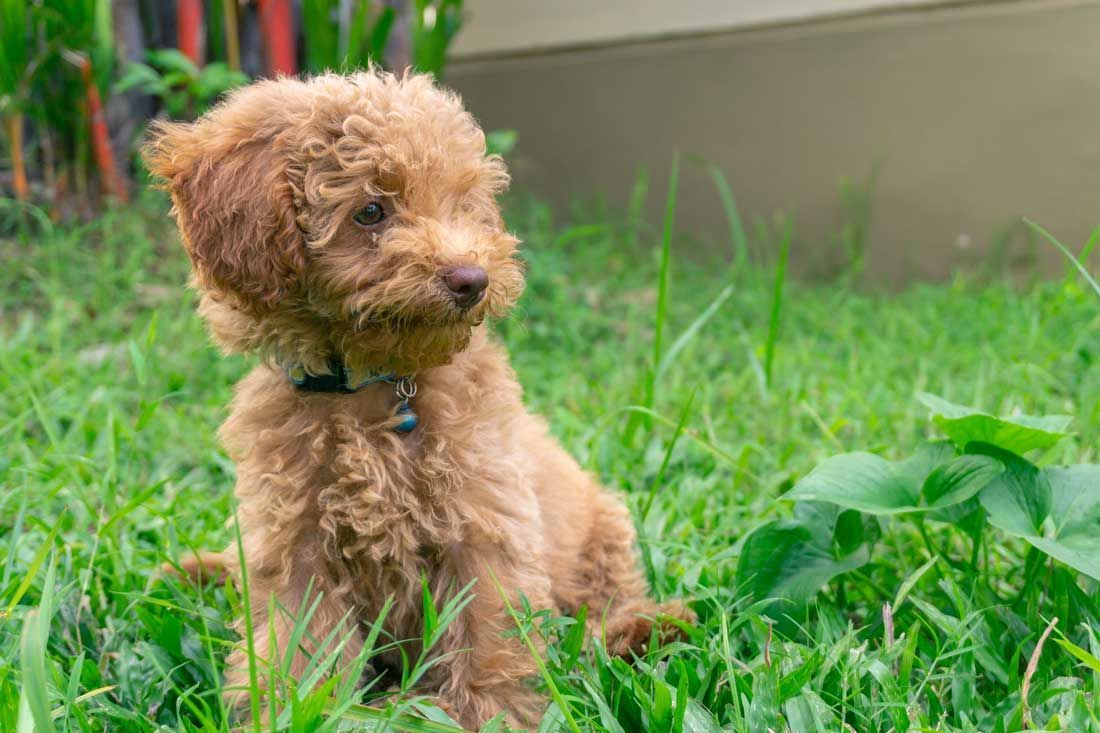
With their soft, teddy bear looks and affectionate personalities, it’s no surprise that Cavoodle dogs have become one of Australia’s most loved dog breeds.
They are known for being friendly, intelligent, and adaptable, making them a popular choice for families, couples, and first-time dog owners alike.
In this complete Cavoodle guide, you’ll discover everything you need to know before bringing one home. From temperament, size, and health to grooming, feeding, and training, we’ll help you better understand the breed so you can care for your Cavoodle with confidence.
Got questions about Cavoodles? Call or email Sydney Animal Hospitals for advice and support on all areas of Cavoodle care.
A Brief History: What Is a Cavoodle?
The Cavoodle is a beloved hybrid that originated in Australia. It combines the gentle Cavalier King Charles Spaniel with the intelligent Poodle. This pairing was designed to create a “designer dog” suited for families, singles, and retirees alike.
Over the years, Cavoodles have become one of Australia’s most popular dog breeds due to their affectionate nature and adaptability.
Cavoodles come in a range of sizes, including toy Cavoodle, miniature Cavoodle, and standard Cavoodle (aka full-grown Cavoodle), giving prospective owners flexibility depending on their living space and lifestyle. Their charming, expressive eyes, soft coats, and sturdy build make them not only cute but highly appealing for those looking for a loyal, intelligent pet.
Personality and Temperament
Cavoodles are known for their friendly, affectionate, and intelligent personalities, which make them excellent companions.
Cavoodles are also highly social dogs that tend to get along well with other pets, as well as children of all ages.
This combination of smarts and sociability has earned them a reputation as one of the most adaptable and loving small dog breeds, suitable for both active households and quieter environments.
Size and Weight
Cavoodle dog sizes vary depending on the type, with each having its own weight and height range.
Cavoodle puppies grow quickly in the first six months, often doubling their birth weight in just a few months. An adult Cavoodle maintains a small to medium stature, making it ideal for apartments or smaller homes.
- Toy: Typically weighs 4–6kg and stands around 25–30cm tall.
- Miniature: Usually 7–11kg, with a height of 30–35cm.
- Standard: Can weigh 12–14kg and stand 35–38cm tall.
Use the
Sydney Animal Hospitals puppy weight calculator to get an even more accurate estimate of your dog’s final size.
Health and Wellbeing
Cavoodles are generally healthy; however, like all breeds, they are prone to certain health conditions. Common Cavoodle health issues include:
Mitral valve disease (heart conditions common in the Cavalier lineage)
Hip dysplasia (joint problems are more common in the poodle lineage)
Progressive retinal atrophy (affects eyesight over time)
Regular vet checkups, vaccinations, and preventative care can help detect issues early and keep your Cavoodle happy and healthy. Maintaining a healthy weight and providing daily exercise also reduces the risk of complications.
Care and Grooming
Like all dogs, Cavoodles benefit from consistent pet grooming to keep their skin and coat healthy and comfortable. They have coats that can be curly, wavy, or straight, with textures inherited from their Poodle and Cavalier parents. They are low-shedding but require regular grooming to prevent tangles and maintain a healthy coat.
Cavoodle dog grooming time is a great opportunity for bonding, and they thrive when their coats are clean and well-maintained.
How to groom a Cavoodle: Brush your Cavoodle daily or at least several times a week, and get them professionally groomed every 6–8 weeks. Regular baths help keep skin and coat healthy, but don’t overdo them.
Nutrition and Feeding
Healthy pet nutrition is crucial for both young and old Cavoodles. Puppies require nutrient-rich food to support growth, while adults need a balanced diet to maintain high energy levels.
Providing fresh water at all times and monitoring weight helps your Cavoodle live a longer, healthier life.
Cavoodle food guide: Feed portioned meals 2–3 times per day, including high-quality protein, moderate fats, and essential vitamins and minerals. Avoid overfeeding to prevent obesity, which can aggravate hip and heart issues.
Training and Behaviour
Cavoodles are highly trainable dogs that respond best to positive reinforcement. Early socialisation is key to preventing separation anxiety and promoting good behaviour. Daily mental stimulation and exercise are essential to keep them happy and healthy.
Cavoodles adapt well to apartments or houses with yards, provided they receive enough attention and activity.
Cavoodles enjoy interacting with adults, children, and other dogs, making them an ideal family companion for a variety of living situations.
Get Trusted Cavoodle Breed Care at Sydney Animal Hospitals
At Sydney Animal Hospitals, we understand that every Cavoodle is unique. From puppies to adults, our experienced team provides expert advice, routine checkups, and specialised care tailored to the Cavoodle dog.
Whether it’s health checks, vaccinations, grooming guidance, or feeding advice, we’re here to help you give your Cavoodle the best start in life and maintain their wellbeing for years to come.
Still not sure if a Cavoodle is right for your family? Call or email our friendly team today to find out more.
FAQs
Do Cavoodles Shed?
Yes, Cavoodles shed, but their Poodle ancestry means they are considered a low-shedding breed. The amount of shedding they do can vary depending on their coat type and genetics. Regular brushing is necessary to manage shedding and prevent matting.
How Big Do Cavoodles Get?
Cavoodles are small dogs, generally weighing between 5kg and 12kg and standing 25-38cm tall. However, size can vary based on parentage, with Toy Poodle crosses being smaller and Miniature Poodle crosses being larger.
How Long Do Cavoodles Live For?
Cavoodles have a lifespan of 10–15 years, though many live even longer with proper care.
Are Cavoodles Easy to Train?
Yes, Cavoodles are considered very easy to train due to their high intelligence, eagerness to please, and affectionate nature. However, consistency and positive reinforcement are key. Praise and treats work best, and they respond well to gentle guidance.
Do Cavoodles Get Along With Cats?
Yes, Cavoodles are generally very good with cats, but success relies heavily on early socialisation. Controlled introductions from puppyhood are crucial to building positive relationships and teaching boundaries.
Do Cavoodles Bark a Lot?
Yes, Cavoodles can bark a lot, often out of concern, excitement, or boredom. While some owners find them quiet, others report frequent barking at strangers, unusual sounds, or perceived threats. Early training is important to manage this tendency and help them become calm, well-behaved dogs.
Recent Posts