
Animal Surgery Recovery Guide: What Every Owner Should Know
Having a pet undergo surgery can be stressful, but knowing what to do afterwards can make all the difference to their recovery.
Whether it’s a routine operation or a complex procedure, the right aftercare helps your pet heal faster, stay comfortable, and avoid complications.
Read on for our top 7 pet surgery recovery tips for pet owners — plus what to expect in the hours, days, and weeks ahead.
Has your cat or dog just come out of vet surgery? Get a post-operative care plan in motion ASAP. Speak to the pet surgeons at Sydney Animal Hospitals today!
How to Care for Your Pet After Surgery: Our Top Tips
1. Create a Comfortable Environment
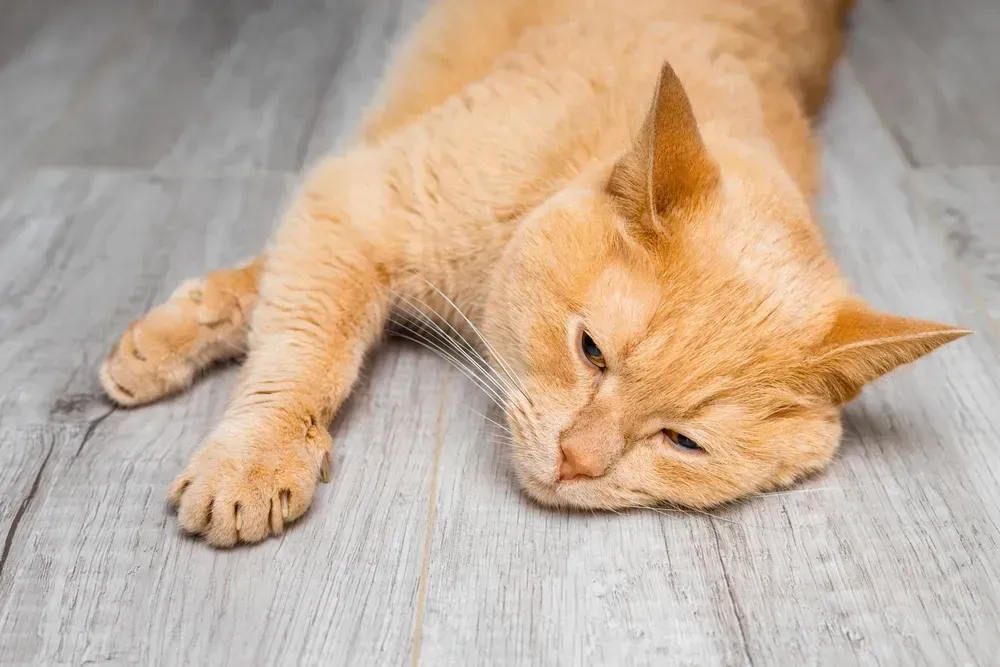
In the 24 hours immediately after surgery, your pet will probably be a bit drowsy or unsteady on their feet. This is normal, as they have just been put under anaesthetic and on pain medication.
This post-surgery disposition usually resolves with plenty of bed rest and a calm environment at home. Make sure they have a warm, quiet space away from loud noises, people, and other pets. Offer their favourite blanket or bed for comfort, and keep them in a familiar area where they feel safe.
A peaceful setting lets their body begin the healing process and helps them feel secure during the first crucial hours of their recovery period.
2. Restrict Activities and Exercise
It goes without saying that it might take a while for your pet to return to their usual activities after surgery. Depending on the type of surgery for animals, this could range from a few days to several weeks.
In the meantime, keep walks short, slow and on-leash at all times, and avoid games that involve running, jumping, or rough play.
Restricting activity is essential to prevent strain on stitches, swelling, or re-injury, and to give the body the time it needs to heal.
3. Follow a Pain Management Plan
After pet surgeries, vets will prescribe pain relief, often involving oral medication or anti-inflammatory drugs. It’s important to follow these instructions exactly as prescribed.
Staying on top of pain management will help your pet feel more comfortable and prevent them from becoming restless or agitated during recovery.
4. Keep the Wound Clean and Dry
The incision site is particularly vulnerable in the first few days after dog or cat surgery. Make sure your pet’s wound stays dry—this means no baths or swimming until your vet says it’s safe.
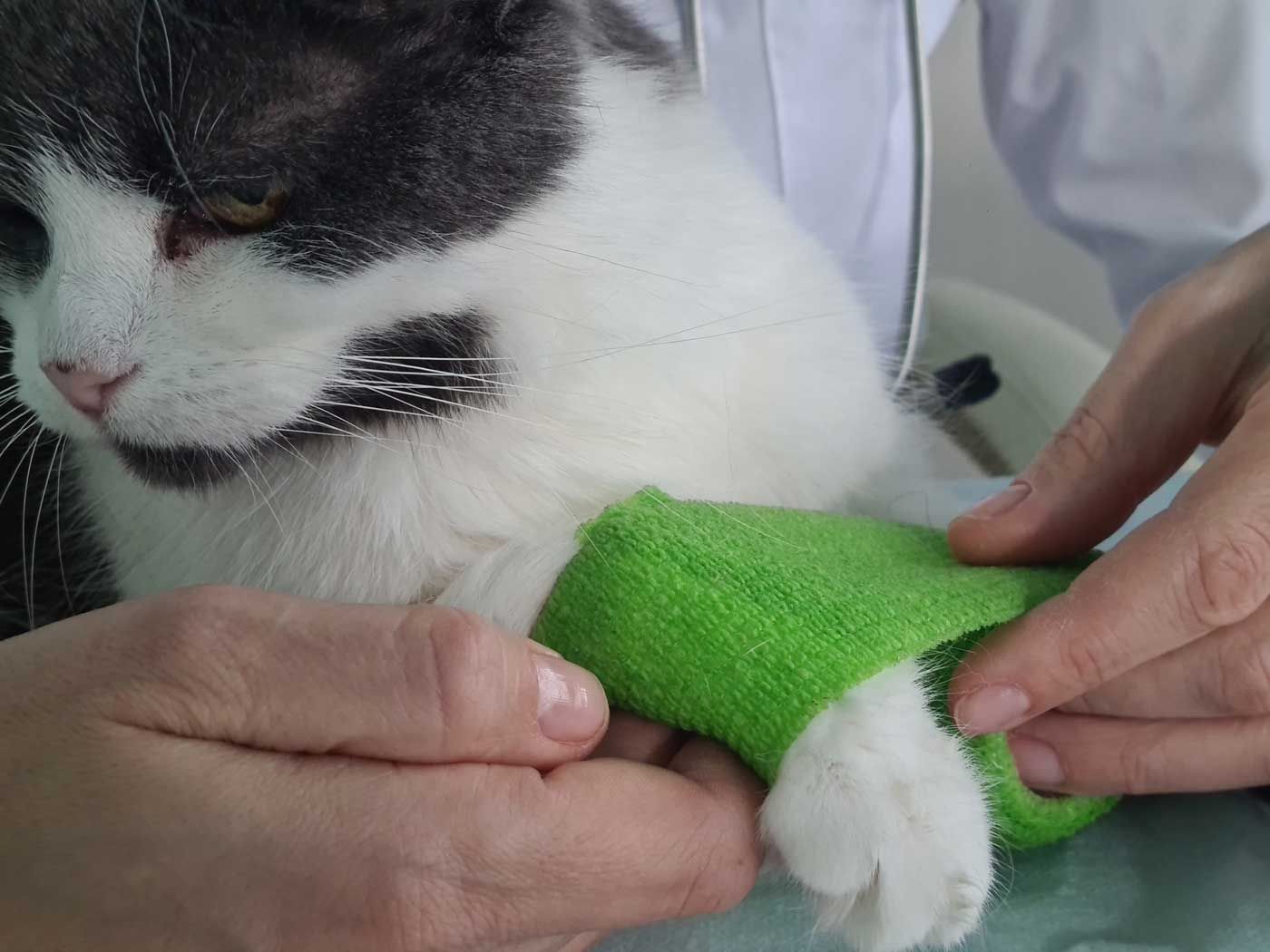
Check the area daily for any dirt, debris, or discharge. If your pet has been sent home with a bandage, ensure it remains intact and doesn’t slip or become soiled.
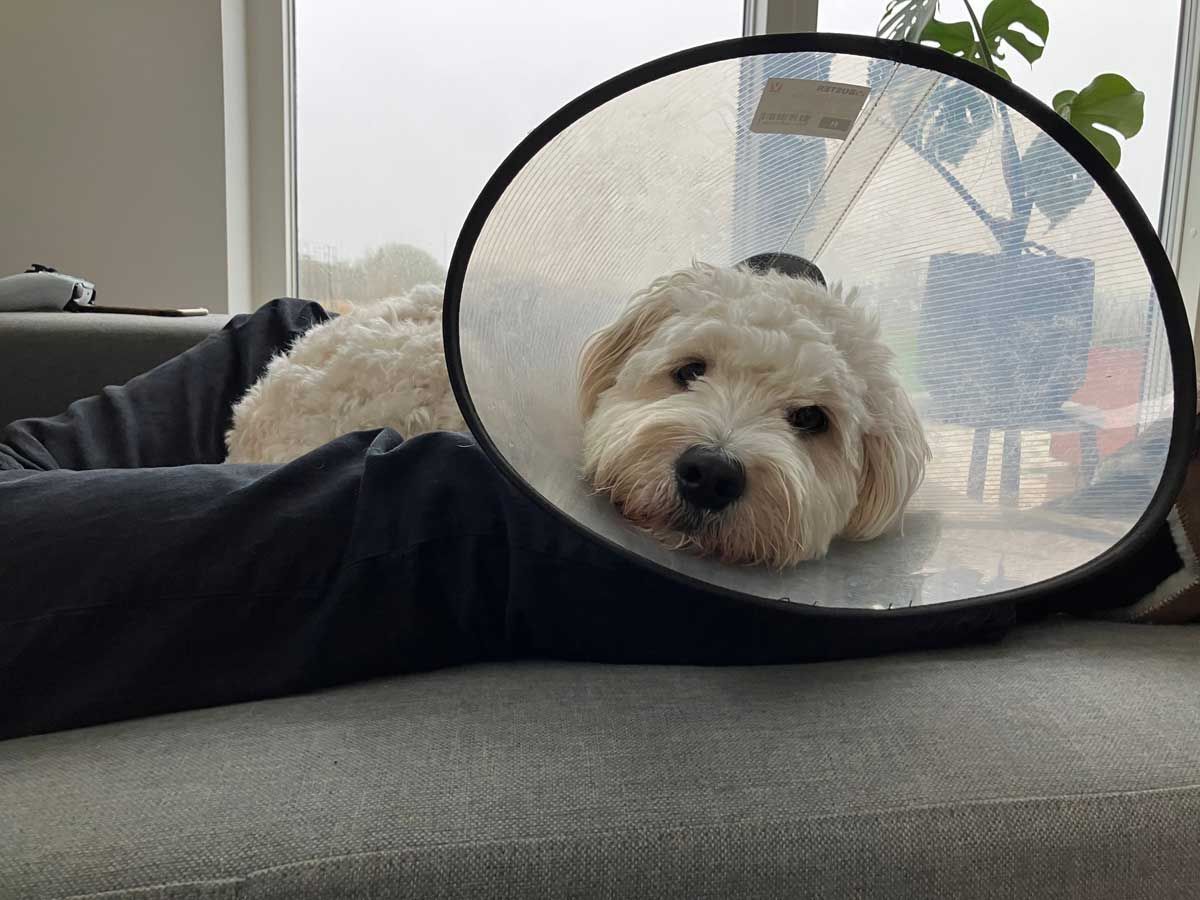
To stop your cat or dog from licking, biting, or scratching the wound, your vet may recommend an Elizabethan collar (also known as an E-collar or cone). While some pets take a little time to adjust, an Elizabethan collar plays a vital role in preventing infection and ensuring the wound heals properly.
5. Maintain a Healthy Diet
After surgery, some pets experience a temporary drop in appetite. This is often due to anaesthetic, stress, or pain medication. Offer them small, frequent meals of their regular diet or any special food recommended by your vet.
Avoid introducing new treats or foods at this time, as this can upset their stomach. Good nutrition will support their immune system and give them the energy needed for recovery.
6. Check for Complications or Infections
Keep an eye out for any changes in your pet’s behaviour or the appearance of the wound. Common signs that something might be wrong include excessive swelling, redness, bleeding, vomiting, lethargy, or signs of pain.
Please contact us if you notice any of these symptoms so we can examine your pet promptly and reduce the risk of further complications.
7. Book a Follow-Up Appointment
A follow-up appointment allows your vet to check how well your pet is healing, remove any stitches if needed, and adjust their recovery plan.
The recovery timeline will vary depending on the type of procedure—soft tissue surgeries can heal within 10 to 14 days, while orthopaedic surgeries can require several weeks of restricted activity.
In some cases, your vet may recommend
cat and dog physiotherapy to help restore movement, strength, and flexibility after an operation.
Pet Surgery Recovery Checklist
To make monitoring your pet’s post animal surgery progress even easier, here's a timeline-based checklist summarising the steps you can follow at home:
24-48 hours after surgery:
Quiet, warm place for rest
Offer water and light food in small amounts
Begin medication schedule
2–5 days after surgery:
Monitor the surgical site twice daily
Protect the wound/stitches from licking or chewing
Prevent vigorous movement or exercise
6–9 days after surgery:
Continue feeding and hydration routines
Watch for signs of healing or complications
10–14 days after surgery:
Attend follow-up vet visit
Resume regular activity and diet unless instructed otherwise
14+ days after surgery (for more complex cases):
Gradually increase activity under guidance
Consider physio and/or rehab if recommended
Monitor mobility and comfort
Choose Sydney Animal Hospitals for Cat & Dog Surgery
We offer a wide range of pet surgery services to repair bone, joint, ligament and soft tissue conditions – but our involvement in your pet’s road to recovery doesn’t end there!
We also help by creating a comprehensive post-surgery care plan tailored to your pet’s unique needs. From pain management and wound care to dietary advice and rehabilitation, our experienced team will guide you every step of the way.
With advanced technology and highly skilled surgeons, we’re committed to helping your furry friend heal quickly and comfortably.
Contact us to find out everything you need to know about surgery for pets, from available surgical procedures and cost estimates to recovery timelines and post-surgical support.
Recent Posts