

Dog Mange - Causes, Symptoms & Treatment
Dog mange mites should not be ignored. They cause intense itching and redness and can lead to hair loss and sores that will severely impact your dog's quality of life. Early diagnosis and treatment at Sydney Animal Hospitals will help your dog remain irritation-free.
Book a skin and mange assessment today
What Is Mange in Dogs?
Mange is the term used for a pet skin disease caused by parasitic mites as they permanently infest skin. The mites dogs get are 'burrowing' mites which include sarcoptes, demodex and other less common species. Mange is highly contagious to other animals. Humans can’t catch mange from dogs, but they can get some mild skin irritation from contact with them.
How Do Dogs Get Mange?
Demodex mange is thought to be passed from the mother to the pup because it requires very close contact. Many healthy dogs carry Demodex but are asymptomatic, meaning they do not show symptoms of mange. It is suspected that for a Demodex infection to be established, there must be a genetic predisposition in the dog’s ability to control the mites. This means that some dogs will be more resistant than others.
Immunosuppressed dogs are at greater risk of developing an infection and spreading the mites.
Sarcoptes mange can only be caught by direct contact with other infected dogs.
Symptoms of Mange in Dogs
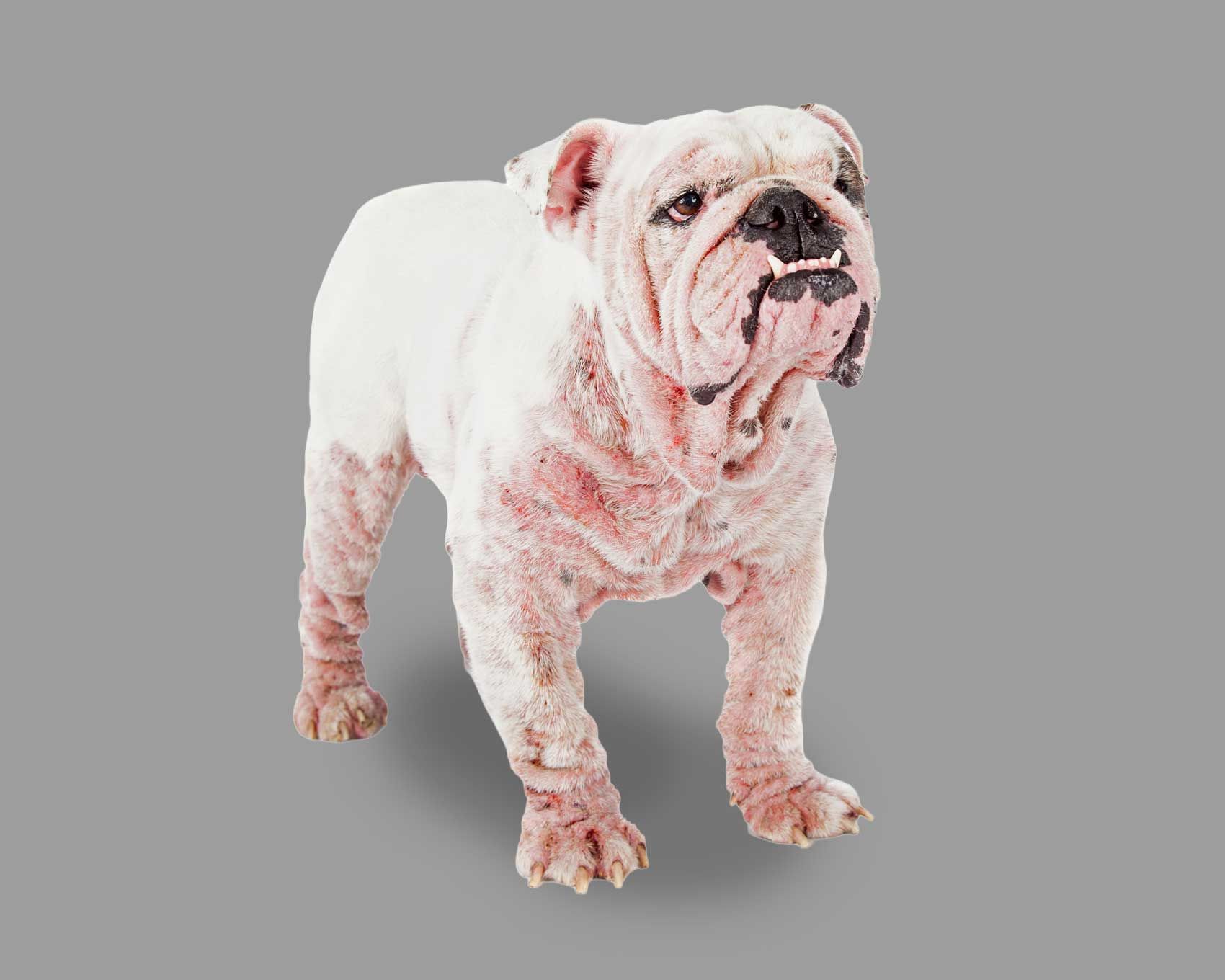
Early stage mange in dogs appears as skin lesions which can be localised to one region (i.e, face or feet) or generalised (all over the body).
Signs of mange in dogs include:
- Hair loss
- Intense scratching
- Redness of skin
- Rash
- Crust/scab formation
- Discharge
Types of Mange in Dogs
- Demodectic Mange: Caused by the Demodex mites, demodicosis or demodectic mange is usually not contagious and often affects puppies, juveniles or dogs with weakened immune systems. It leads to localised or generalised hair loss, mild redness, and sometimes secondary skin infections. Early veterinary intervention can help manage symptoms and prevent complications.
- Sarcoptic Mange: Also known as dog scabies, sarcoptic mange is caused by the Sarcoptes scabiei mite. It is highly contagious and causes intense itching, redness, and hair loss. Dogs with sarcoptic mange can spread the mites to other pets so prompt diagnosis and treatment are essential.
Diagnosing Dog Mange
Diagnosis is confirmed by demonstration of the mites in skin scrapes. As the mite lives within the skin, it cannot be seen on the surface.
Skin scraping for the mites involves:
Squeezing the skin to force the mite closer to the surface, and then the skin is scraped
Three different areas of skin is collected
It is examined under a microscope for mites
How to Treat Mange in Dogs
If a diagnosis of mites is confirmed, our vets will work out an appropriate treatment plan. There are several options available, including medicated shampoos, topical ointments, oral medications, or a combination, depending on the severity and type of mange. We will discuss with you which one we feel will work best for your dog.
What to Expect
Your dog may require regular veterinary check-ups and skin scrapings to monitor progress. You may also notice hair regrowth, reduced itching, and improved skin condition over the course of treatment.
How Long Treatment Takes
Healing mange in dogs can take several weeks to a few months. Generally, dogs remain on the treatment until they display two consecutive negative skin scrapings, taken at least one month apart.
How to Prevent Mange
Preventing mange starts with booking yearly flea and tick injections. The active ingredient in Bravecto Quantum is used in the treatment and control of mange and it provides up to 12 months of protection.
Other Tips to Prevent Mange
Keep your dog’s living areas clean and regularly wash bedding and toys.
Bathe and groom your dog regularly to maintain healthy skin and coat.
Avoid contact with dogs that show signs of mange or unexplained itching and hair loss.
Maintain your dog’s overall health through a balanced diet and regular vet visits to help reduce susceptibility.
Minimising Recurrence
Follow your vet’s treatment plan thoroughly, even after symptoms improve.
Schedule follow-up skin checks if your dog has a history of mange.
Treat any secondary infections promptly to prevent complications.
With early prevention and proper care, mange can be managed effectively, keeping your dog comfortable and healthy.
Trust Sydney Animal Hospitals to Care for Dogs With Mange
At Sydney Animal Hospitals, your dog’s comfort and well-being are at the heart of everything we do.
Our experienced team of Sydney vets takes a personalised approach to each dog, creating a treatment plan that suits their age, health, and specific type of mange, in a peaceful, hygienic, and low-stress environment.
If your dog shows signs of mange, it’s important to seek veterinary care promptly. Early intervention improves recovery and reduces the risk of passing mites to other pets.
Stop mange before it spreads!
7 Sydney Animal Hospital Locations Across Sydney
Sydney Animal Hospitals have 7 locations across Sydney for your convenience
Newtown
Open 7 days
Inner West
Open 7 days
69-73 Erskineville Rd, Erskineville NSW 2043
(02) 9519 4111
Norwest
Open 7 days
69-73 Erskineville Rd, Erskineville NSW 2043
(02) 9519 4111
Kellyville
Open 7 days
69-73 Erskineville Rd, Erskineville NSW 2043
(02) 9519 4111
Baulkham Hills
Open 7 days
69-73 Erskineville Rd, Erskineville NSW 2043
(02) 9519 4111
Newport
Open 7 days
69-73 Erskineville Rd, Erskineville NSW 2043
(02) 9519 4111
Avalon
Open 7 days
69-73 Erskineville Rd, Erskineville NSW 2043
(02) 9519 4111
Frequently Asked Questions
Common questions pet owners ask about dogs and mange
How Do I Know if My Dog Has Mange?
Signs of mange include itching, hair loss (bald spots), red or inflamed skin, crusts or scabs, dandruff, and sometimes a greasy coat or foul odour. Symptoms vary by mite type, but often start on the ears, elbows, or belly. Other signs can be tiredness, sudden weight loss, and secondary skin infections from excessive scratching.
Can I Treat Mange at Home?
While some things like cleaning bedding can help, you generally cannot effectively treat mange at home; it requires a proper vet diagnosis and medication to kill the mites and address underlying issues. Home remedies alone won't cure it, and using incorrect products can harm dogs.
Which Dog Breeds Are More Susceptible to Mange?
Breeds highly prone to mange because of genetic predispositions and weakened immunity include Bulldogs, Boxers, Pugs, Staffies, Shar-Peis, Collies, German Shepherds, Sheepdogs, Dobermans, Afghan Hounds, Chihuahuas, and Dalmatians.
What’s the Difference Between Sarcoptic and Demodectic Mange?
Both mites are burrowing mites, but they have slightly different clinical signs. Demodectic mange can be present in healthy dogs, not be itchy, and can cause disease to dogs and puppies that are immunocompromised and have a genetic susceptibility to it. Sarcoptic mange is very contagious, very itchy, and can cause localised irritation at the site of contact in humans.
What’s the Difference Between Mange and Allergies?
Mange is a parasitic skin disease from mites, while allergies are immune reactions to triggers like pollen or food. However, symptoms can overlap, so it’s always best to consult your veterinarian for a diagnosis.
How Much Does Mange Treatment Cost in Sydney?
Treatment costs vary depending on the type and severity of mange, the medications used, and the number of follow-up visits required. Our Sydney vet team can discuss costs upfront and work with you to ensure your dog receives effective care within your budget.


