
What is a foreign body?
A gastrointestinal foreign body is essentially a non-digestible item which is eaten by an animal and ends up causing problems, such as obstruction or blockage, in the gut. Examples of foreign bodies we see at Sydney Animal Hospitals include bones, toys, fur balls, coins, large seeds such as peach pits, underwear, string and just about anything else an animal can swallow.
Foreign bodies are more common in younger animals who, like toddlers, will taste just about anything. However, they can occur in animals of any age. Because dogs are less discerning about what they eat we tend to see foreign bodies more commonly in this species, but we do see foreign bodies in cats too – usually young cats who are known ravenous eaters.
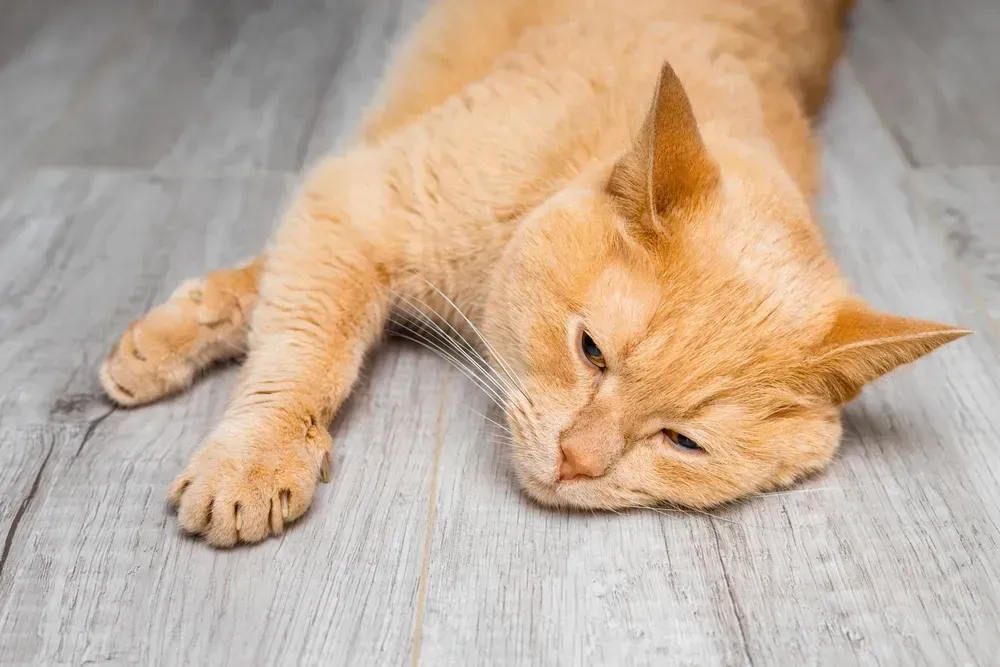
Clinical signs of a gastrointestinal foreign body include nausea (often manifested as drooling or lip-smacking), vomiting, abdominal pain and inappetance (going off food).
Diagnosis can be challenging in some cases. Sometimes we can visualise a foreign body on x-rays, it may be possible for us to feel the foreign body by palpating the abdomen, or we may require ultrasound. In some cases, particularly with foreign bodies such as plant material which don’t always show up on imaging studies, foreign bodies are diagnosed in surgery.
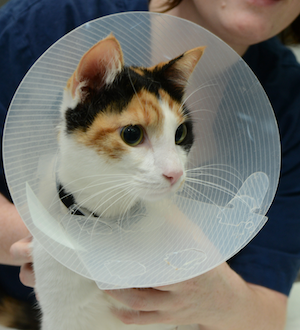
Luna is a two year old cat who presented for vomiting. She improved initially on symptomatic therapy but re-presented when the vomiting returned. At this point we could feel an unusual object in her intestines.
Luna’s surgery
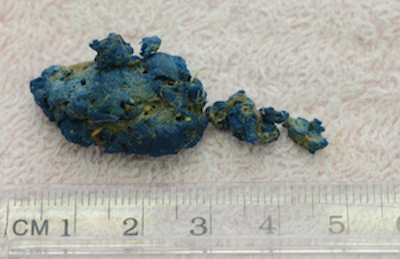
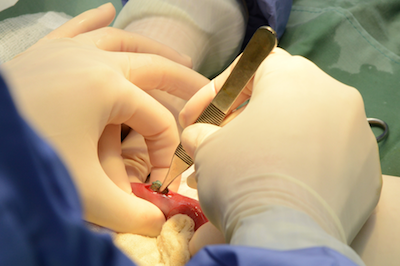
Surgical exploration revealed an obstruction in her small intestine. A piece of bright blue rubber was removed and Luna made a complete recovery. When we showed the rubber to her owners they immediately identified it as a chunk from the rubber cover of a child’s baseball bat. They realised she had been playing with it (it was peppered with claw marks), but they hadn’t expected her to swallow a great big chunk of it.
The bad news is that animals who eat things like this don’t associate eating the object with the illness they experience later, so they aren’t deterred from doing it again. The good news is that now Luna’s owners know she has a penchant for chewing rubber, they can depopulate her environment of any tempting objects and avoid another episode.