
A Complete French Bulldog Dog Breed Guide

With their distinctive flat faces, bat ears, and charming personalities, it's no surprise that French Bulldogs have become one of Australia's most sought-after dog breeds.
They are known for being affectionate, docile, and adaptable, making them great choices for those seeking loyal companion dogs.
In this comprehensive French Bulldog care guide, you'll learn everything you need to know before bringing one home. From characteristics, size, and temperament to health needs, diet, and exercise, we'll help you get to know the breed better so you can look after your Frenchie with ease.
Read our French Bulldog guide below and contact Sydney Animal Hospitals for professional advice and dedicated French Bulldog care.
French Bulldog Breed History
The French Bulldog (also known as a Frenchie) is a beloved companion breed with fascinating origins. Despite the name, French Bulldogs actually originated in England during the mid-1800s as miniature versions of the English Bulldog, bred specifically as lap dogs for Nottingham lace workers.
During the Industrial Revolution, these artisans migrated to France for work, bringing their bulldogs with them. The breed quickly gained popularity among Parisian society, with breeders refining their ears and compact build, giving rise to the Bouledogue Français—the French Bulldog we know today.
By the late 1800s, Frenchies had charmed their way to America and eventually Australia, where they've consistently ranked among the top 10 most popular breeds.
Physical Characteristics and Size
French Bulldogs have signature skin folds, a stocky, muscular build, and short, stumpy tails. They come in various colours including fawn, brindle, cream, and white.
French Bulldog sizes are relatively consistent across the breed, with males slightly larger than females. French Bulldog puppies grow steadily during their first year, reaching full maturity around 12–14 months.
Adult French Bulldog size:
- Weight: Typically 8–14kg
- Height: 28–33cm at the shoulder
- Body shape: Compact, broad-chested with a "square" silhouette
Use our
Sydney Animal Hospitals puppy weight calculator
to get an even more precise estimate of the final size of your
full-grown French Bulldog.
Personality Traits
French Bulldogs are known for their loyal, playful, and easygoing personalities, which make them excellent companions.
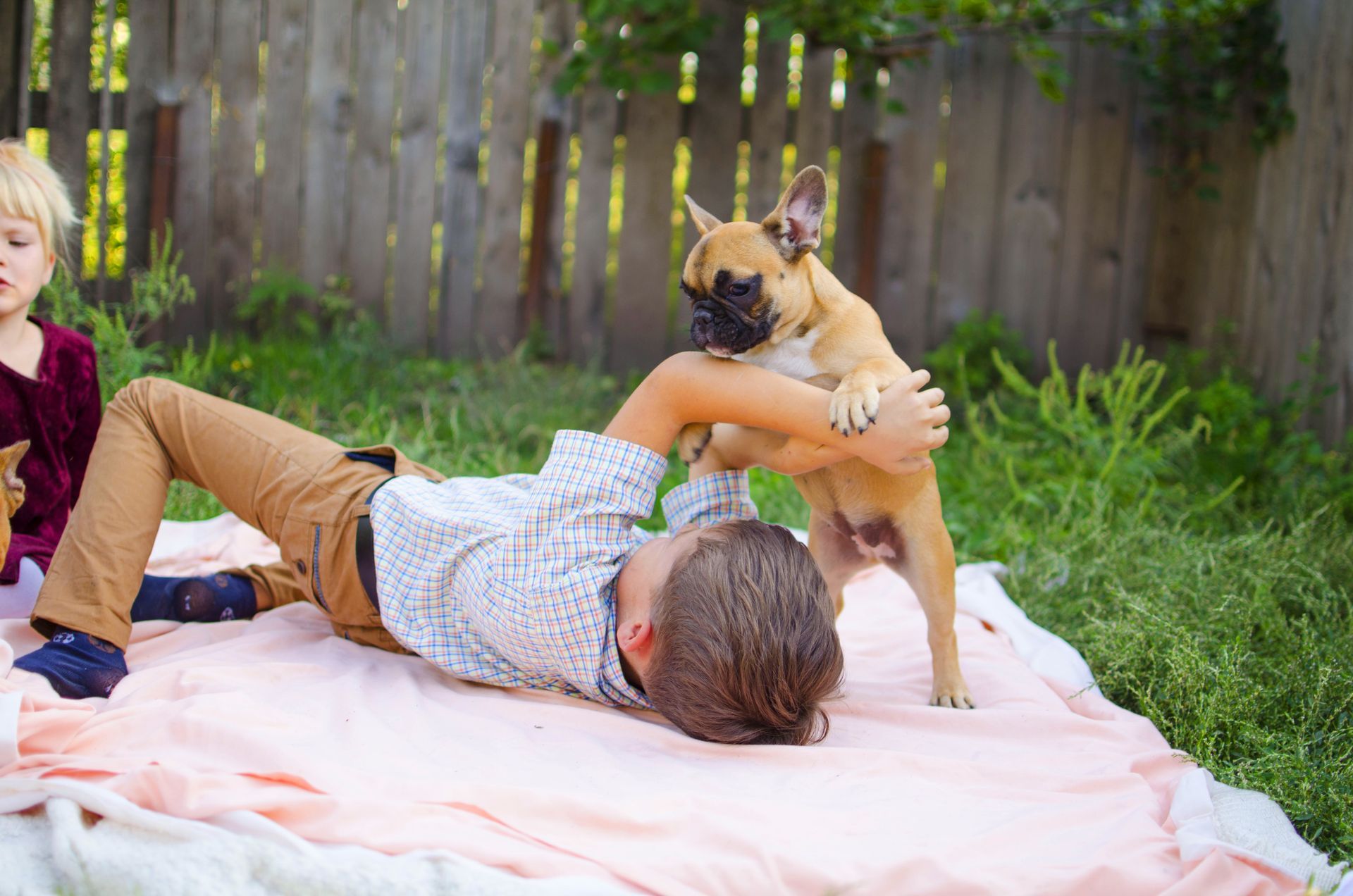
Frenchies are also highly social dogs that form strong bonds with their families and tend to get along well with children and other pets when properly socialised.
However, they can be prone to separation anxiety and prefer not to be left alone for long periods. They thrive on human interaction and are happiest when included in daily family activities.
Health Considerations
Although generally robust, French Bulldogs are predisposed to certain health conditions. Common French Bulldog health issues include:
- Brachycephalic Obstructive Airway Syndrome (BOAS): Causes breathing difficulties, exercise intolerance, and heat sensitivity
- Hemivertebrae: Spinal malformations that can cause pain or mobility issues and can predispose to intervertebral disk disease
- Allergies and skin conditions: Facial fold dermatitis, environmental allergies, and food sensitivities
- Eye problems: Cherry eye, dry eye, and corneal ulcers due to their prominent eyes and flat faces
- Joint issues: Hip dysplasia and patellar luxation
Preventive care can help detect French Bulldog breeding issues early. Maintaining a healthy weight is crucial, as obesity significantly exacerbates breathing difficulties.
Sydney climate considerations: Australia’s hot, humid summers are particularly dangerous for French Bulldogs. Always provide air conditioning, avoid midday exercise, and watch for signs of heat stress, including excessive panting, drooling, or lethargy.
Grooming and Care
French Bulldogs benefit from regular grooming to keep their skin and coat healthy and comfortable. They have short, smooth, single coats that are low-maintenance compared to longer-haired breeds.
Whilst they are moderate shedders, they require specific care for their unique physical features. Special French Bulldog grooming considerations:
- Facial wrinkles: Clean daily with a damp cloth, dry thoroughly, and apply veterinary-recommended balm if needed
- Ears: Weekly cleaning to prevent infections
- Tear staining: Gentle daily wiping helps
- Nails: Regular trimming every 3–4 weeks
- Bathing: Monthly baths or as needed, using gentle dog shampoo
Professional pet grooming every 8–12 weeks can help maintain nail length and overall hygiene, though French Bulldogs don't require haircuts like some breeds.
Diet and Nutrition
Good pet nutrition is important for French Bulldogs at every life stage. Puppies require nutrient-rich dog food formulated for small dogs to support proper growth, whilst adults need balanced diets to maintain a healthy weight and energy levels.
French Bulldog feeding considerations:
- Portion control: French Bulldogs are prone to weight gain; measure food carefully
- Flat-face friendly bowls: Shallow, wide dishes make eating easier
- Food allergies: Common in the breed; watch for skin issues or digestive upset
- Slow feeding: Many Frenchies eat too quickly; consider slow-feeder bowls
- Avoid heat: Never feed immediately before or after exercise, especially in warm weather
Training and Behaviour
French Bulldogs are moderately trainable dogs that respond best to positive reinforcement and patience. Whilst intelligent, they can be stubborn and independent, requiring consistency and gentle persistence rather than harsh corrections.
Early house training and socialisation are key to managing territorial behaviour and promoting good manners around other dogs and people.
They adapt well to apartments or houses with yards and only require minimal exercise compared to other breeds—short 10–15 minute walks plus gentle play sessions are typically sufficient.
Training tips: French Bulldogs are food-motivated, so use treats and praise. Keep training sessions short (5–10 minutes) to maintain attention and avoid exercise in hot weather due to breathing difficulties.
Get Trusted French Bulldog Breed Care at Sydney Animal Hospitals
At Sydney Animal Hospitals, we know that French Bulldogs have unique health needs. From puppies to adults, our experienced Sydney vet team provides checkups, screenings, and specialised care designed for brachycephalic breeds.
Whether it's respiratory health assessments, skin fold care, weight management, or more general French Bulldog breed info and advice, we'll help you give your beloved Frenchie the best life possible.
Not sure if a Frenchie is right for you and your family? Talk to our team today.
FAQs
How Long Do French Bulldogs Live For?
French Bulldogs typically live for 10 to 12 years. With good care, a healthy diet, and proper management of breed-specific health issues, some Frenchies can reach 14 years or more.
Are French Bulldogs Good With Children and Other Pets?
Yes, French Bulldogs are generally great with children and other pets due to their affectionate nature, making them ideal family dogs. As with all dogs, supervision is important around very young children.
Is a French Bulldog High Maintenance?
French Bulldogs are considered moderate to high-maintenance, primarily due to their health predispositions, grooming needs, and intolerance to heat and exertion.
Can French Bulldogs Swim?
No, most French Bulldogs cannot swim because of their anatomy, which includes a top-heavy body, a short snout, and short legs. This makes it difficult for them to keep their heads above water.
Recent Posts