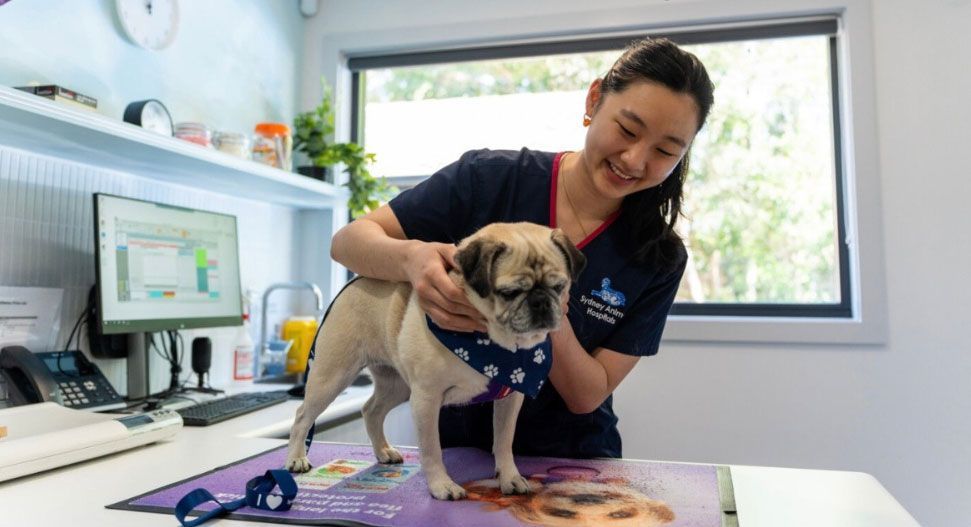


Whether you’ve recently welcomed a new puppy or kitten or you’re considering desexing for a slightly older pet, understanding the full benefits can help you make an informed decision.
In this blog, we’ll walk you through why pet desexing matters, the general benefits for all pets, and the specific advantages for male and female dogs and cats.
At Sydney Animal Hospitals, cat desexing and dog desexing are routine day procedures. To book your pet in, call us on (02) 8319 5555 today!
5 Biggest Benefits of Desexing Cats and Dogs
1. Prevents Unwanted Litters
Desexing your pet is the most effective way to prevent accidental pregnancies. Even the most well-behaved pets can escape or encounter other animals unexpectedly, leading to unwanted litters. Because these puppies and kittens are unplanned, many pet owners don’t want them or can’t afford to keep them, so they can end up in shelters or on the street. By desexing your dog or cat, you’re helping to reduce stray populations.
2. Eases Aggressive Behaviour
Hormones play a big part in causing pet behaviour problems , especially in male dogs and cats. Desexing can help reduce tendencies like dominance, fighting, mounting, or territorial aggression, making your pet calmer and more sociable. While desexing isn’t a quick fix for all behavioural issues, it often makes a noticeable difference.
3. Limits Roaming and Wandering
Animals with strong mating instincts are much more likely to wander from their home in search of a mate. Roaming pets face increased risks, including being hit by a car, fights with other animals, and getting lost. Desexing removes the hormonal drive to roam, making your pet more content to stay safely at home, minimising the chances of injury or separation.
4. Reduces the Risk of Serious Disease
Desexing is also a proactive health measure. Removing or suppressing the reproductive organs eliminates many health risks associated with breeding. In females, it greatly reduces the risk of life-threatening uterine infections and mammary cancers, especially if done before their first heat. In males, it prevents testicular cancer and lowers the risk of prostate problems.
5. Supports a Longer, Healthier Life
Desexed pets are shown to have a better quality of life. With a lower risk of reproductive cancers, infections, roaming injuries, and aggressive encounters, your pet can enjoy a safer, more comfortable lifestyle. Desexing also reduces behaviours that lead to dangerous situations, contributing to better physical and emotional well-being in the long term.
Specific Benefits by Pet Type and Gender
Benefits of Desexing Male Dogs
- Reduces the risk of testicular cancer and prostate disease
- Lowers the risk of getting perianal tumours and hernias
- Decreases territorial urine marking
- Helps prevent the spread of sexually transmitted diseases
Benefits of Desexing Female Dogs
- Prevents uterine infections (pyometra)
- Reduces the risk of mammary (breast) cancer
- Eliminates the risk of uterine and ovarian cancers
- Stops heat cycles, minimising unwanted male attention
Benefits of Desexing Male Cats
- Eliminates the risk of testicular cancer
- Lowers territorial spraying and marking
- Reduces the risk of feline STIs like FIV
- May lower the risk of urinary tract disease (FLUTD)
Benefits of Desexing Female Cats
- Stops loud vocalisations and behavioural changes linked to heat cycles
- Reduces the risk of mammary tumours, especially if done at an early age
- Eliminates the risk of ovarian and uterine cancers
- Prevents uterine infections and complications
Choose Sydney Animal Hospitals for Desexing Dogs and Cats
Getting your dog or cat sterilised is a common surgical procedure undertaken to provide health and behavioural benefits. It is performed under a general anaesthetic by our team of highly experienced veterinarians.
In females, the surgery is called spaying or ovariohysterectomy, and involves the removal of the uterus and ovaries. In males, it’s called castration and involves the removal of both testes.
For small and medium-sized dogs, the average age to be desexed is 5-6 months. For large breeds, desexing surgery should be performed after 12 months of age to allow their growth plates to close naturally. This can help reduce the risk of developing orthopaedic issues.
When a cat approaches 4 months of age, you should book them in for desexing. The NSW Government charges cat owners an annual permit fee for undesexed pets over 4 months of age.
Desexing is an important part of responsible pet ownership and offers long-term benefits for both your pet and the wider community. By preventing unwanted litters, behaviours, and serious health issues, you’re giving your cat or dog the best chance at a happy, healthy life. If you’d like to know more about desexing surgery, including post-operative care, please contact your local Sydney Animal Hospitals vet clinic.