
Bladder stones in dogs

December 28, 2020
Bladder stones in dogs

Both humans and animals can get bladder stones, and if you’ve ever experienced bladder stones, you’ll know how painful they can be.

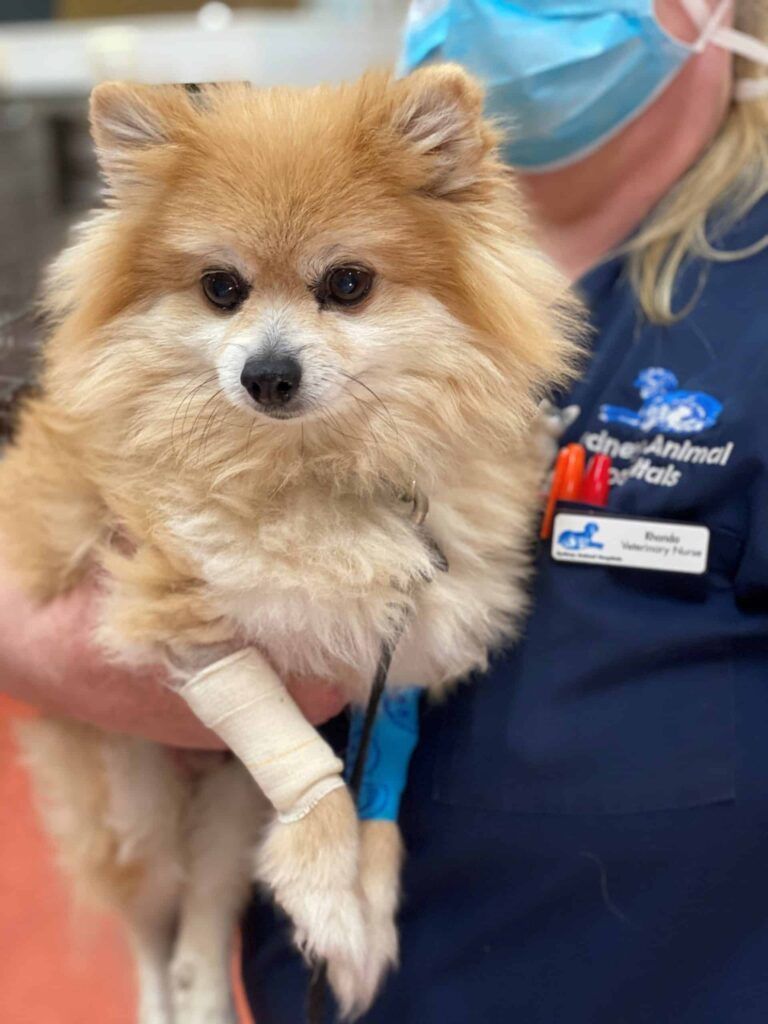
Small tan Pomeranian dog in a vet's arms, IV in paw, wearing a bandage. Vet in blue scrubs and mask.


Ouch! Bladder stones are painful and potentially life threatening


Both humans and animals can get bladder stones, and if you’ve ever experienced bladder stones, you’ll know how painful they can be.

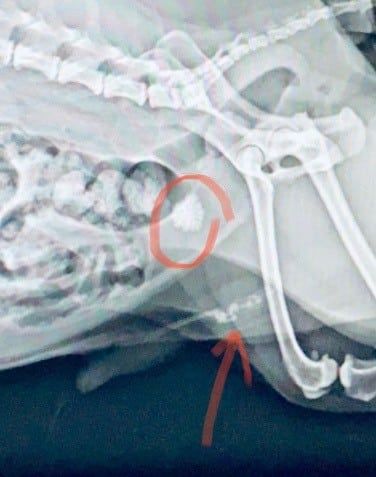
Goji the dog recently presented to Sydney Animal Hospitals after his owners noticed that he was straining to urinate, as well as trying to urinate frequently and the urine he was passing was tinged with blood. After a consultation with one of our veterinarians, during his physical examination it was suspected that Goji was suffering from bladder stones, which was then confirmed with an x-ray.

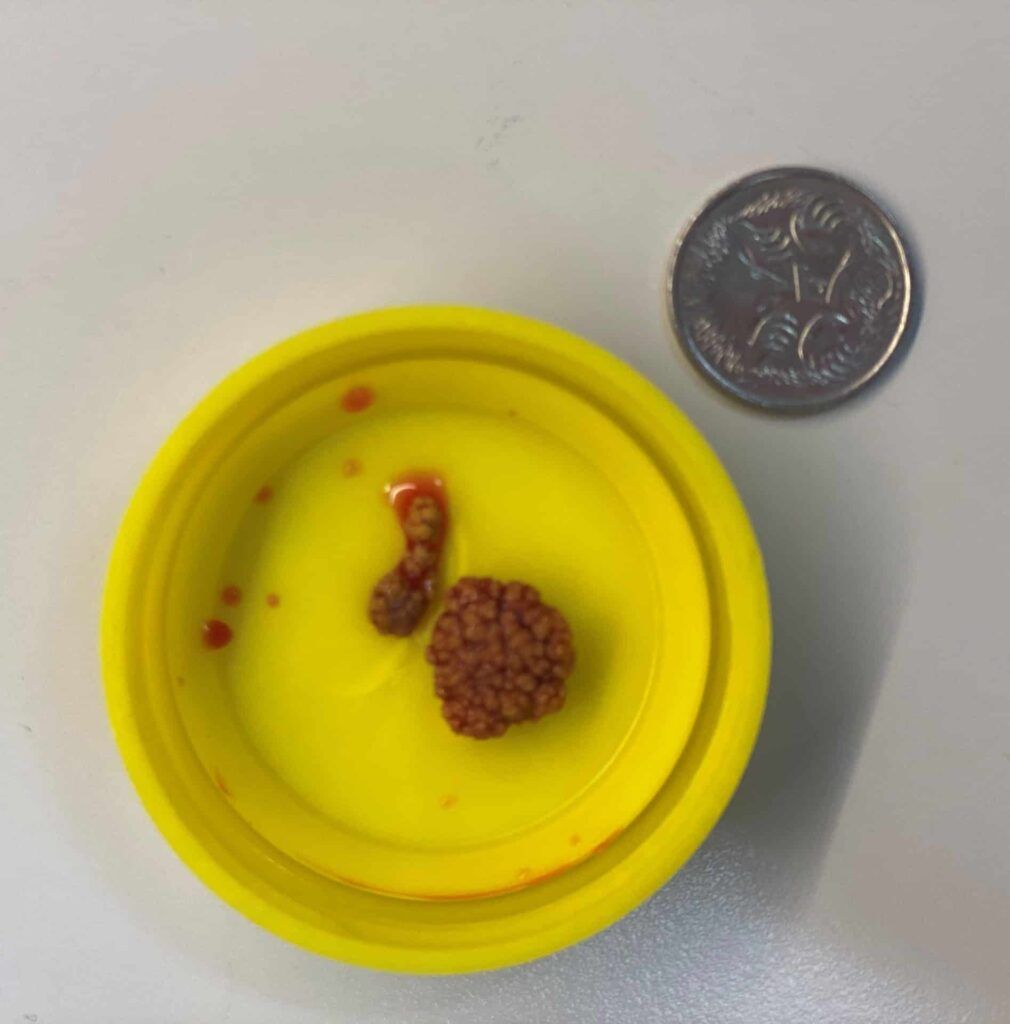
X-ray of a cat. Red circle highlights a mass near the pelvis. Arrow points to a bone.Depending on their size and amount, surgery is often indicated to remove bladder stones. Goji had surgery to remove these bladder stones, ouch – look how big they were! Bladder stones are mineral deposits or crystals that accumulate over weeks or months as a result of disease, inflammation in the urinary system or sometimes diet – resulting in elevated levels of stone-forming crystalline compounds in the urine. It’s a condition which can affect both dogs and cats.

Dogs or cats with bladder stones often display blood in their urine or have difficulty urinating – straining, and often only passing small amounts of blood tinged urine. Bladder stones can also sometimes cause an obstruction – this is mainly in male dogs and cats, where the stones or crystals have to travel out the narrow urethra when the animal urinates. A blocked bladder is a potentially life threatening condition and requires urgent veterinary intervention.

In addition to considering surgery, management of bladder stones involves treatment with pain relief and antibiotic medications. A urine test can be performed to determine the type of crystals which are present in the bladder, as different types often require slightly different management. Our vets may also often recommend a special type of diet which can help to prevent the crystals from forming in the bladder.Two brown gallstones and a quarter coin in a yellow container.


If you have any further questions about bladder stones in pets, please speak with one of our friendly veterinary team at your local Sydney Animal Hospitals on;

Newtown  (02)9519 4111
Inner West  (02)9516 1466
Norwest  (02)8883 0411
Kellyville  (02)8883 0533
Newport  (02)9997 4609
Avalon  (02)9918 0833


#BladderStones #KidneyStones

Recent Posts

A Cavoodle puppy sitting on the grass
February 5, 2026
Explore our complete Cavoodle dog breed guide and learn about their behaviour, health, grooming, training, and why they’re one of Australia’s favourite pets.
Dog lying on a bed wearing an elizabethan collar
February 5, 2026
Discover essential tips for helping your pet heal after animal surgery, including activity restrictions, pain management, wound care, follow-up vet visits and more.
A dog looking at a block of chocolate
February 5, 2026
This blog covers everything you need to know about chocolate poisoning in dogs, including potentially fatal amounts and what to do if your pet is at risk.
Show More