


All about Desexing your Pet

June 9, 2021
All about Desexing your Pet

Having your pet cat or dog sterilised or desexed is a common surgical procedure performed under a general anaesthetic by veterinarians. In female dogs and cats

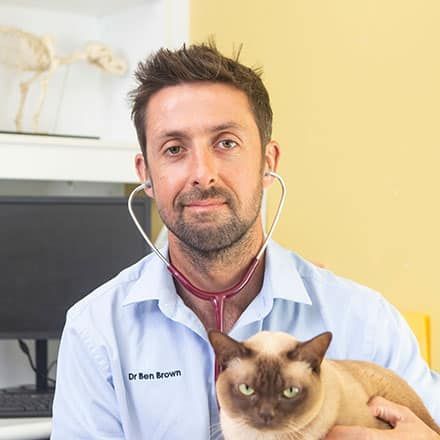
Veterinarian with stethoscope holding a seal point cat in a vet office.


Having your pet cat or dog sterilised or desexed is a common surgical procedure performed by veterinarians. Desexing is recommended because it prevents unwanted pregnancies in female dogs and cats, and stops pets coming into season when female dogs and cats may bleed from the vulva.

Desexing also prevents reproductive behaviours such as calling and yowling in cats, and reduces some behaviours like aggression and wandering instincts in male dogs and cats.

The desexing procedure is performed by a veterinarian, and it involves a general anaesthetic. In female dogs and cats, the surgery is called spaying or ovariohysterectomy – and involves removal of the uterus and ovaries. In male dogs and cats, the surgery is called a castration – and involves the removal of both testes.

Sydney Animal Hospitals recommends that you have your kitten or puppy de-sexed, and our veterinarians can provide specific advice on the best age to have your pet desexed based on their breed and species.

Here in NSW, the State Government has introduced regulations that require payment of an annual fee for non-desexed cats aged from four months of age and older. Improving desexing rates will ease the burden on pounds and shelters, reduce euthanasia rates, and help to address concerns about feral, stray and roaming cats and their effect on wildlife.

Desexing your cat can have health benefits and reduces the likelihood of them roaming and being involved in fights or accidents.

In female dogs and cats, the health benefits of desexing include a reduced risk of mammary tumours, prevents medical conditions such as an infected uterus (call pyometra), and eliminates the risk of cancers of the ovaries and uterus.

In male dogs and cats, the health benefits of desexing include a reduced risk of prostatic disease and perianal tumours, and it eliminates the risk of testicular cancer. Read more on desexing your pet……


Contact our friendly team at Sydney Animal Hospitals about your pet on;

Newtown  (02) 9519 4111    Inner West  (02) 9516 1466    Norwest  (02) 8883 0411    Kellyville  (02) 8883 0533    Newport  (02) 9997 4609    Avalon  (02) 9918 0833


As seen in Pittwater Life Magazine click her to read more

Cover of

Recent Posts

A Cavoodle puppy sitting on the grass
February 5, 2026
Explore our complete Cavoodle dog breed guide and learn about their behaviour, health, grooming, training, and why they’re one of Australia’s favourite pets.
Dog lying on a bed wearing an elizabethan collar
February 5, 2026
Discover essential tips for helping your pet heal after animal surgery, including activity restrictions, pain management, wound care, follow-up vet visits and more.
A dog looking at a block of chocolate
February 5, 2026
This blog covers everything you need to know about chocolate poisoning in dogs, including potentially fatal amounts and what to do if your pet is at risk.
Show More